Dermot O’Leary Says He Ignored ‘Massively Painful’ Health Issue Because ‘I’m a Man’
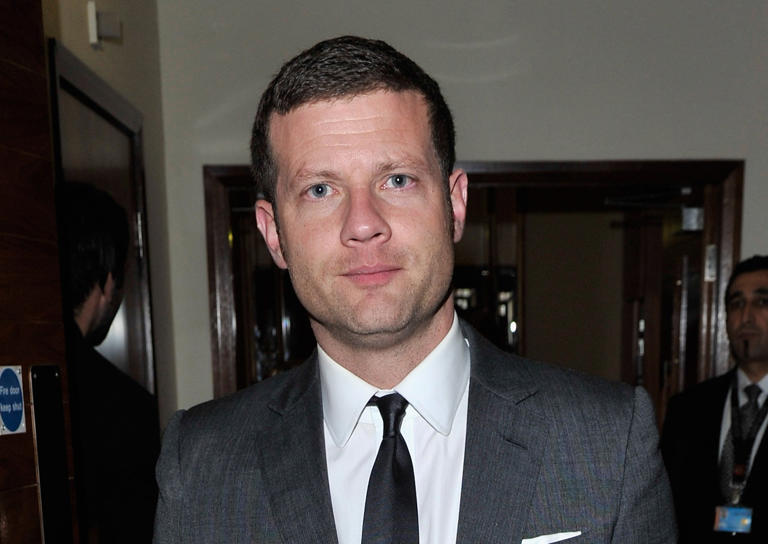
Dermot O’Leary, a prominent television presenter, has opened up about a painful health issue he struggled with, highlighting how societal expectations influenced his decision to ignore treatment. During a candid discussion on the show “This Morning,” O’Leary revealed that he has been suffering from temporomandibular joint (TMJ) disorder, a condition that can lead to significant discomfort and complications if left unaddressed.

O’Leary shared that he experienced severe jaw pain, which made everyday activities like eating a daunting task. Despite the intensity of his symptoms, he initially hesitated to seek medical attention. He confessed his reluctance stemmed from his belief that he should simply “tough it out” because of traditional gender expectations. “I ignored it for a bit because I’m a man,” he stated, shedding light on the pressure men often face to downplay their health issues.
Understanding Temporomandibular Joint Disorder (TMJ)

TMJ disorder affects the joints connecting the jaw to the skull, leading to symptoms that can significantly impact a person’s quality of life. Common manifestations of TMJ include:
- Jaw pain that can radiate to the neck and shoulders
- Frequent headaches
- Dizziness and difficulty opening or closing the mouth
- Chronic pain that affects daily activities
Failure to address TMJ disorder can lead to more severe complications, including early-onset arthritis or even jaw dislocation. In O’Leary’s case, medical professionals identified his condition as primarily muscular rather than joint-related, a distinction that can influence treatment options.
Treatment Options for TMJ Disorder

There are various treatment pathways available for individuals with TMJ disorder, and these can range from conservative methods to more invasive procedures. Treatment options recommended by experts include:
- Physiotherapy to enhance jaw function and relieve muscle tension
- Massage therapy focusing on the jaw and neck area
- Stress management techniques to reduce jaw clenching
- Over-the-counter pain relievers to alleviate discomfort
- In some cases, Botox injections to relax the jaw muscles
O’Leary turned to physiotherapist Krina Panchal for specialized treatment and began exploring various options to manage his symptoms. His journey underscores the importance of seeking help, even when societal norms might discourage men from showing vulnerability regarding health issues.
The Importance of Breaking Gender Stereotypes in Health Discussions

The conversation surrounding TMJ disorder gained further traction when fellow presenter Zoe Ball shared her personal experiences with the condition. She detailed how she managed her symptoms through alternative therapies like lymphatic drainage massages, emphasizing the need for open discussions about health challenges faced by both men and women.
O’Leary’s frankness about his pain reflects a growing recognition of the need to dispel myths surrounding masculinity and health. It encourages individuals to prioritize their well-being without being constrained by societal pressures. Ignoring health issues can lead to significant adverse effects, and it’s vital for everyone, regardless of gender, to seek medical advice when necessary.

For those experiencing symptoms akin to TMJ disorder, it’s crucial to remember that while symptoms may occasionally improve, they can worsen due to stress or specific habits such as jaw clenching. Maintaining a soft diet while consulting healthcare professionals can be pivotal in managing this condition effectively.
Dermot O’Leary’s story serves as a powerful reminder of the importance of addressing health issues proactively. Seeking help is a sign of strength, not weakness, and everyone should feel empowered to prioritize their health without concerns over gender-based stigmas.