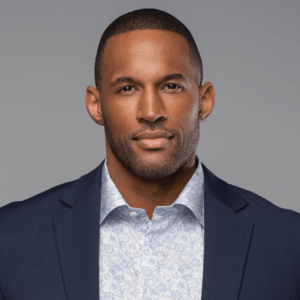
Sean Hannity Cuts Ties with Son Over Political Differences

In an unexpected turn of events, well-known political commentator Sean Hannity has publicly declared that he has severed ties with his son after the young man opted to attend a school that disagrees with his father’s political philosophies. This incident has sparked debates across the nation, specifically regarding family dynamics in relation to differing political beliefs. With political tensions on the rise, this case highlights the impact of ideology on personal relationships.
The Background of the Disagreement

Sean Hannity, a significant figure in conservative media, has always been a staunch advocate for traditional values and right-leaning educational frameworks. He has often voiced his concerns regarding the influence of liberal ideologies in school curriculums. Hannity’s son, however, chose to pursue his education at a school known for its progressive stance, which has become a battleground for ideological conflict. The choice was reportedly a point of contention that led to their estrangement.
As a father, Hannity has publicly expressed disappointment over his son’s decision, indicating that this choice reflects a divergence not just in their political beliefs, but also in their values. Such scenarios are increasingly common in an era where political affiliation can shape personal lives in profound ways.
The Broader Implications of Political Disagreements

This family dispute has resonated with many who find themselves amid similar situations, whether it be friendships, familial relationships, or workplace dynamics. Political differences can create chasms in relationships, leading individuals to rethink their connections based on ideological grounds. Psychological studies have shown that differing political beliefs can cause significant stress within families, often leading to isolation or estrangement, as seen in Hannity’s case.
- Research indicates that family members who often discuss politics are more likely to experience conflicts.
- Social media has exacerbated these tensions, allowing for easier dissemination of polarizing content and opinions.
- Recognizing the signs of political friction can help families navigate their disputes more effectively.
Many individuals strive to maintain open conversations about political issues with their loved ones, yet significant barriers remain. The Hannity situation may serve as a cautionary tale about the risks involved in allowing political ideologies to dictate personal relationships.
Finding Common Ground Amidst Tensions

While it may seem daunting, finding common ground is essential for maintaining healthy relationships. Couples, friends, and families must confront disagreements with empathy and an understanding that differing perspectives can coexist. Facilitating open dialogue can help bridge the divide, allowing individuals to share their thoughts without fear of condemnation.
Some strategies to cultivate understanding include:
- Engaging in active listening, giving each person a chance to express their viewpoints.
- Establishing boundaries around discussions of politics to maintain respect and harmony.
- Focusing on shared values and morals rather than polarizing issues, which can lead to more productive conversations.
- Being open to change, recognizing that beliefs may evolve over time, creating space for growth in relationships.
Families that succeed in navigating their political differences can emerge stronger and more connected, underscoring the value of openness and equality in communication.
Conclusion

Sean Hannity’s public separation from his son underscores the complexities that political ideologies can introduce into personal relationships. While it remains a sensitive subject, navigating political disparities thoughtfully can foster stronger bonds among family and friends. For those struggling with similar issues, embracing dialogue and understanding is essential in creating unity. Consider reaching out to your family members and friends to explore your differences openly, moving towards a more collaborative and compassionate understanding of one another.