Bret Baier Faces Criticism for Using His Son’s Illness to “Evoke Emotion on TV”—The Controversial Truth Behind the Scenes
Bret Baier, the well-known Fox News anchor and chief political correspondent, recently found himself at the center of a heated controversy. The criticism stems from his decision to share his son’s illness on air, which some viewers and media critics argue was a tactic to evoke emotion and sway public opinion. This incident has sparked a broader conversation about the ethical boundaries journalists must navigate when blending personal stories with professional reporting.
In this article, we will explore the details of the controversy, analyze the ethical implications of Baier’s approach, and discuss what this means for the future of journalism. By understanding the nuances behind this situation, readers can better grasp the challenges faced by media professionals in today’s emotionally charged news environment.
The Criticism Surrounding Bret Baier’s Use of His Son’s Illness to Evoke Emotion on TV
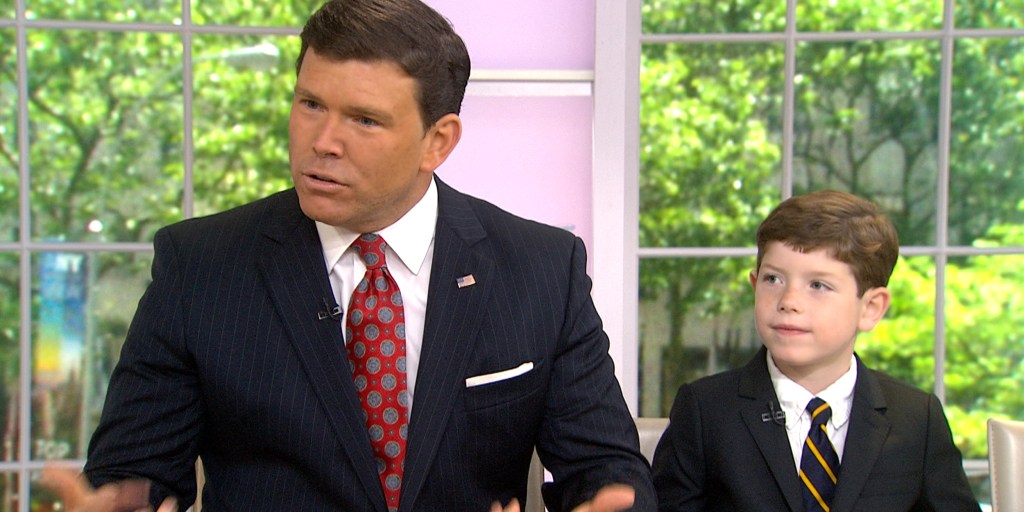
The core of the criticism lies in the perception that Bret Baier used his son’s health struggles as a tool to elicit sympathy and emotional response from his audience during broadcasts. Critics argue that this approach blurs the line between objective journalism and personal storytelling, potentially compromising the integrity of the news.
Many viewers expressed discomfort with the way Baier incorporated his family’s private matters into his professional platform. Social media platforms saw a surge of comments accusing him of exploiting his son’s illness for ratings and emotional manipulation. Some media analysts also weighed in, suggesting that such tactics could set a dangerous precedent for other journalists who might feel pressured to share personal hardships to connect with viewers.
However, supporters of Baier contend that sharing personal experiences can humanize journalists and foster a deeper connection with the audience. They argue that in an era where trust in media is waning, authentic storytelling can bridge the gap between reporters and viewers, making news more relatable and impactful.
Understanding the Ethical Boundaries in Journalism

Journalism ethics traditionally emphasize objectivity, fairness, and the separation of personal bias from news reporting. When journalists share personal stories, especially those involving family or sensitive issues, they risk crossing ethical boundaries that can undermine their credibility.
The Society of Professional Journalists’ Code of Ethics advises reporters to “avoid conflicts of interest, real or perceived,” and to “remain free of associations and activities that may compromise integrity or damage credibility.” In Baier’s case, critics argue that sharing his son’s illness on air could be seen as a conflict of interest, as it introduces a personal element that might influence the tone or content of the reporting.
On the other hand, some modern journalism practices embrace transparency and vulnerability as tools to build trust. By revealing personal struggles, journalists can demonstrate empathy and authenticity, qualities that resonate with audiences fatigued by dry, impersonal news coverage.
The debate over Baier’s approach highlights the evolving nature of journalism ethics in the digital age, where emotional engagement often drives viewer retention and social media sharing.
The Impact of Emotional Storytelling on News Audiences

Emotional storytelling has become a powerful technique in media, capable of capturing attention and fostering empathy. When journalists share personal narratives, they can create a compelling connection that encourages viewers to engage more deeply with the issues being discussed.
However, this strategy carries risks. Overuse or perceived manipulation of emotions can lead to skepticism and distrust among audiences. If viewers feel that personal stories are being exploited for ratings or political agendas, it can damage the credibility of both the journalist and the news organization.
In Bret Baier’s situation, the backlash suggests that some viewers felt the emotional appeal was inappropriate or excessive. This reaction underscores the delicate balance journalists must maintain between sharing relatable content and maintaining professional distance.
What This Controversy Means for the Future of Journalism

The debate surrounding Bret Baier’s use of his son’s illness to evoke emotion on TV is emblematic of larger challenges facing the journalism industry. As media outlets compete for attention in a crowded digital landscape, the pressure to connect emotionally with audiences is intensifying.
Going forward, news organizations and journalists will need to carefully consider how personal stories are integrated into reporting. Establishing clear ethical guidelines and maintaining transparency with audiences will be crucial to preserving trust.
Moreover, media consumers should remain critical and discerning, recognizing the difference between genuine storytelling and emotional manipulation. By fostering media literacy, viewers can support journalism that is both engaging and responsible.
Conclusion
Bret Baier’s decision to share his son’s illness on air to evoke emotion has sparked a vital conversation about ethics, authenticity, and the evolving role of journalists in today’s media environment. While emotional storytelling can enhance connection and trust, it also raises important questions about the boundaries between personal experience and professional reporting.
As viewers and media professionals navigate this complex terrain, it is essential to prioritize integrity and transparency. If you found this analysis insightful, consider sharing it with others and staying informed about the ethical challenges shaping modern journalism.