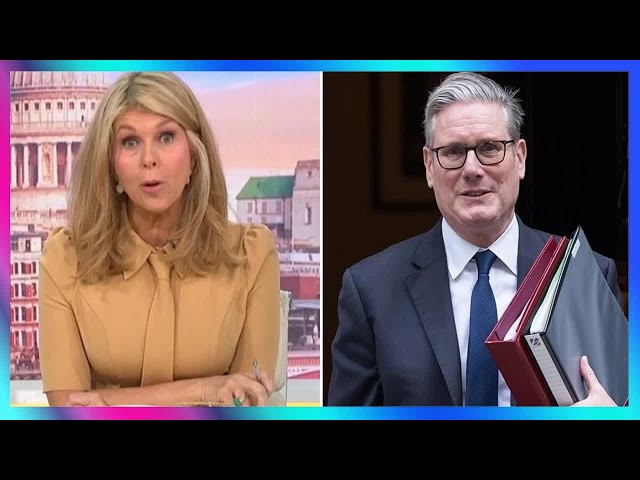
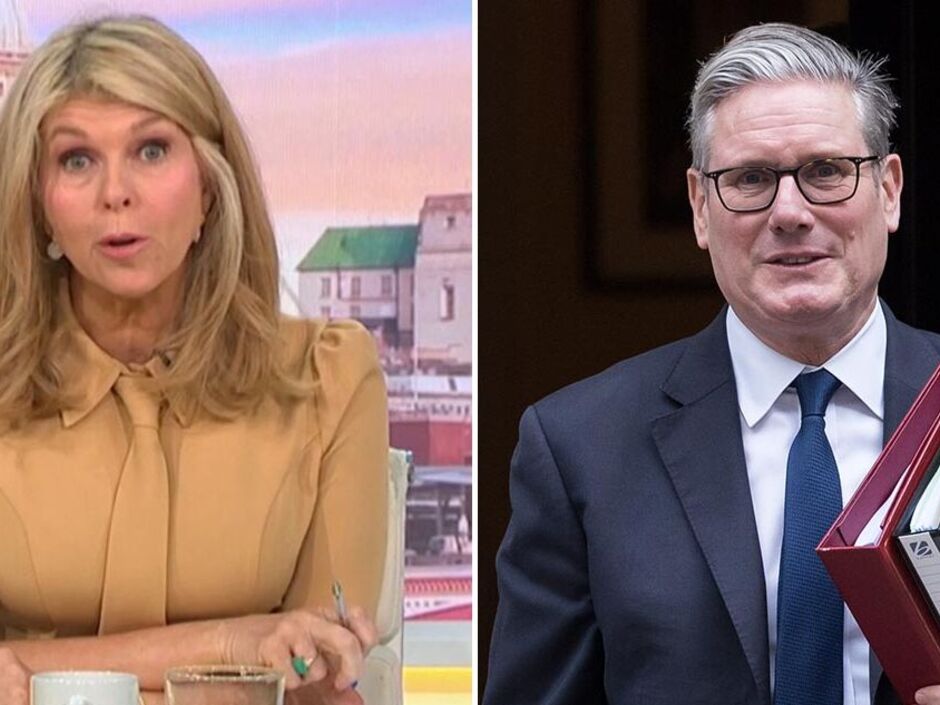
Kate Garraway Furiously Declares She Will REFUSE to Report on Keir Starmer
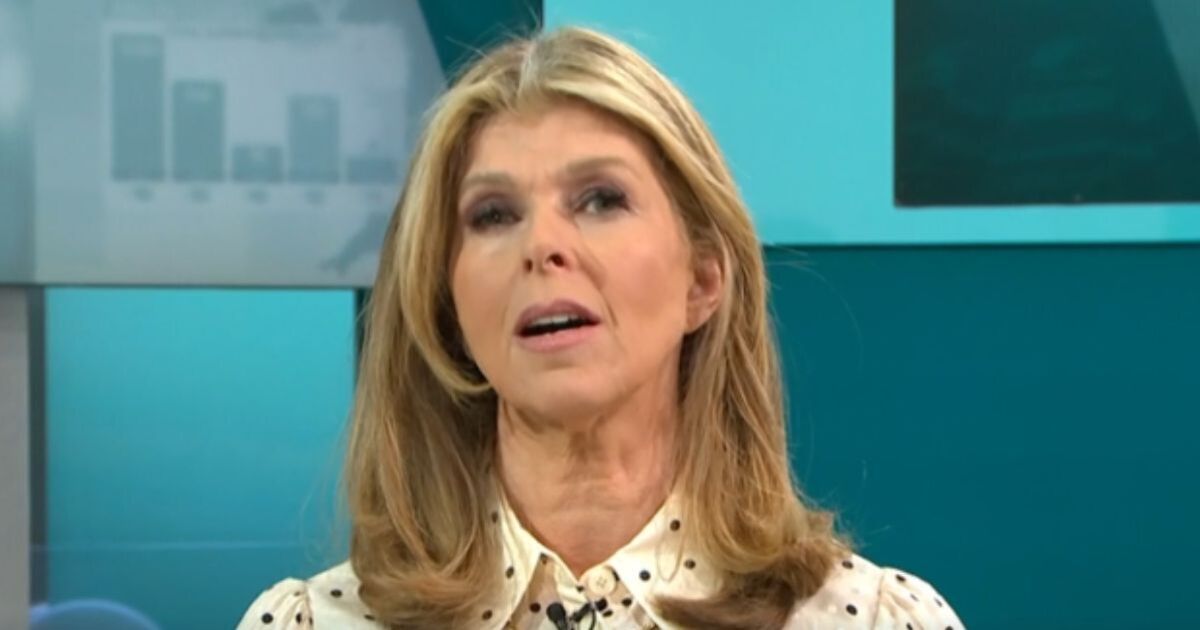
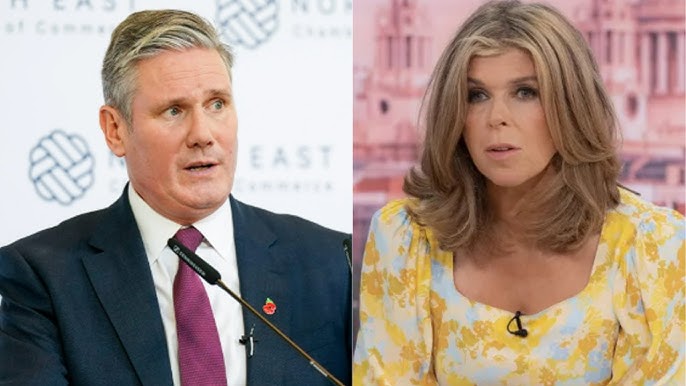
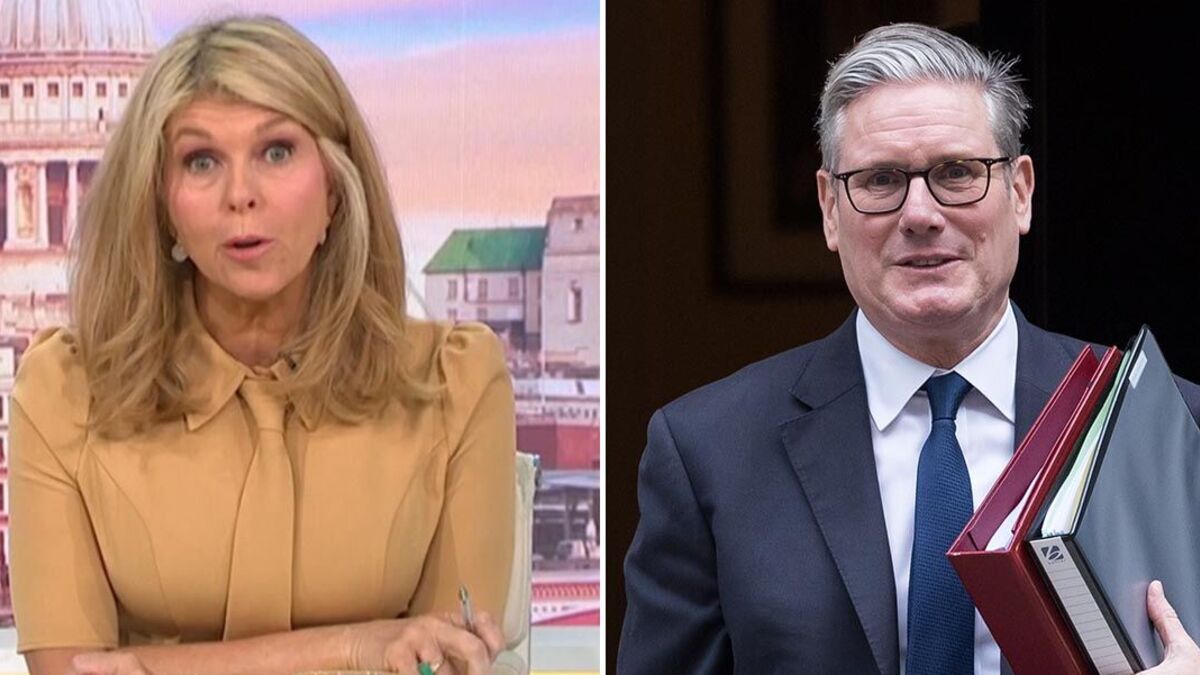
In a recent and highly charged statement to ITV, renowned broadcaster Kate Garraway made it clear that she will no longer report on Keir Starmer, the leader of the Labour Party. Her declaration has sent ripples through the media landscape, highlighting deep frustrations and ethical concerns about covering certain political figures. Garraway’s candid remarks reveal a personal and professional boundary she is unwilling to cross, citing actions by Starmer that she says “make me feel sick.” This article explores the context behind her decision, the implications for political reporting, and what it means for viewers and journalists alike.
Kate Garraway’s Bold Stance: Refusing to Report on Keir Starmer
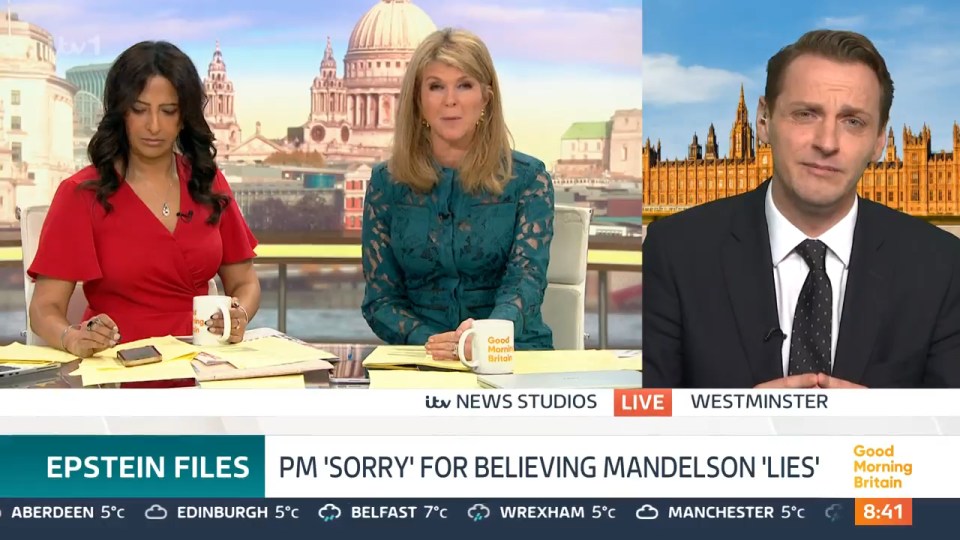
Kate Garraway, a respected journalist and presenter, has never shied away from expressing her opinions, but her latest announcement marks a significant moment in her career. By openly refusing to cover Keir Starmer, she challenges the traditional role of impartiality expected in journalism. Garraway’s statement was not made lightly; it was fueled by a series of events and decisions made by Starmer that she finds morally objectionable.
Garraway explained that the “things he’s done make me feel sick,” indicating a profound personal reaction to Starmer’s political conduct. While she did not delve into exhaustive detail during her ITV interview, the intensity of her language suggests a deep disillusionment with the Labour leader’s actions. This refusal to report on a major political figure is rare and underscores the emotional toll that political journalism can exact on those tasked with covering contentious subjects.
Her decision also raises questions about the balance between journalistic integrity and personal ethics. Garraway’s stance may inspire other journalists to reconsider how they approach reporting on figures whose actions conflict with their values. It also sparks a broader conversation about the limits of neutrality in media coverage.
The Impact of Garraway’s Decision on Political Journalism and Public Perception
Kate Garraway’s refusal to report on Keir Starmer has implications beyond her personal career. It highlights the challenges journalists face when covering divisive political figures and the emotional burden that can accompany such work. For the public, her statement may influence how viewers perceive both Starmer and the media’s role in political discourse.
By openly criticizing Starmer and refusing to cover him, Garraway risks accusations of bias, yet she also brings attention to the ethical dilemmas inherent in political reporting. Her stance encourages a dialogue about transparency and honesty in journalism, urging media professionals to acknowledge their personal responses to the subjects they cover.
Moreover, Garraway’s declaration could affect the Labour Party’s media strategy, potentially limiting their exposure on certain platforms. It also serves as a reminder that political leaders are subject to scrutiny not only from opponents but also from journalists who may hold them accountable in unconventional ways.
What This Means for Viewers and the Future of Political Coverage
For viewers, Kate Garraway’s announcement may be both surprising and thought-provoking. It challenges the expectation that journalists must maintain strict neutrality and suggests that personal conviction can play a role in shaping media narratives. Audiences may become more aware of the complexities behind political reporting and the human element involved.
Looking ahead, Garraway’s stance could encourage greater openness among journalists about their feelings toward political figures and the impact of their work on their mental health. It may also prompt media outlets to consider how they support their staff in navigating ethical conflicts.
Ultimately, Garraway’s refusal to report on Keir Starmer is a bold move that underscores the evolving nature of journalism in a highly polarized political environment. It invites both media professionals and the public to reflect on the responsibilities and challenges of political coverage.
Conclusion
Kate Garraway’s decision to refuse reporting on Keir Starmer marks a significant moment in political journalism, blending personal ethics with professional responsibilities. Her candid expression of disgust toward Starmer’s actions opens a vital conversation about the role of journalists in holding political figures accountable while managing their own values. As viewers and media professionals navigate this complex terrain, it’s essential to stay informed and engaged with the evolving dynamics of political reporting. Stay tuned for further updates and insights into how this development shapes the media landscape. If you found this article insightful, share it with others and join the conversation on the future of journalism.