HGTV Shocked Viewers with Unexpected Change to HGTV Dream Home 2027
HGTV has long been a beloved network for home enthusiasts, offering inspiring design ideas, renovation tips, and, most notably, the annual HGTV Dream Home giveaway. However, in a recent announcement, HGTV shocked viewers after unexpectedly announcing a major change to the HGTV Dream Home 2027 — a decision that has ignited a wave of outrage among the network’s staff and loyal fans alike. This article delves into the details of this surprising development, its impact on the network, and what it means for the future of the iconic Dream Home series.
HGTV Shocked Viewers After Unexpectedly Announcing a Major Change to the HGTV Dream Home 2027

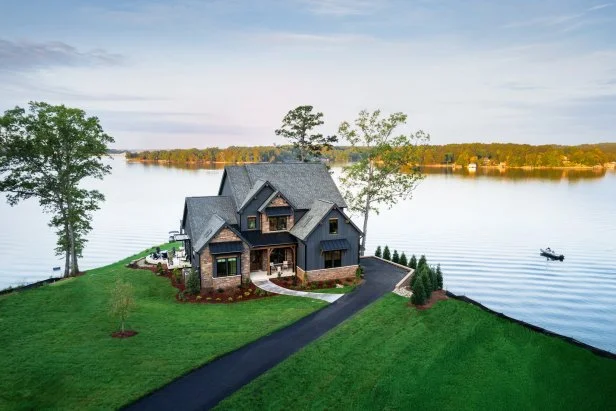
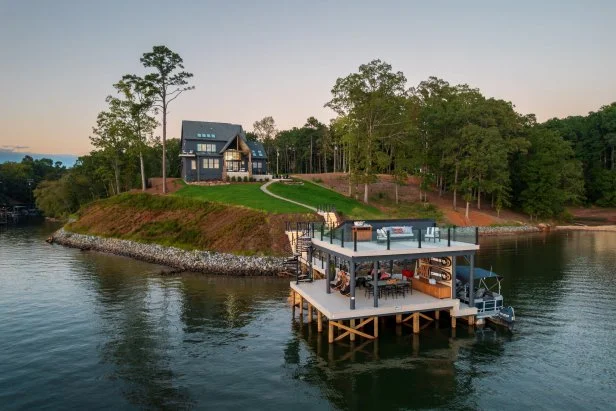
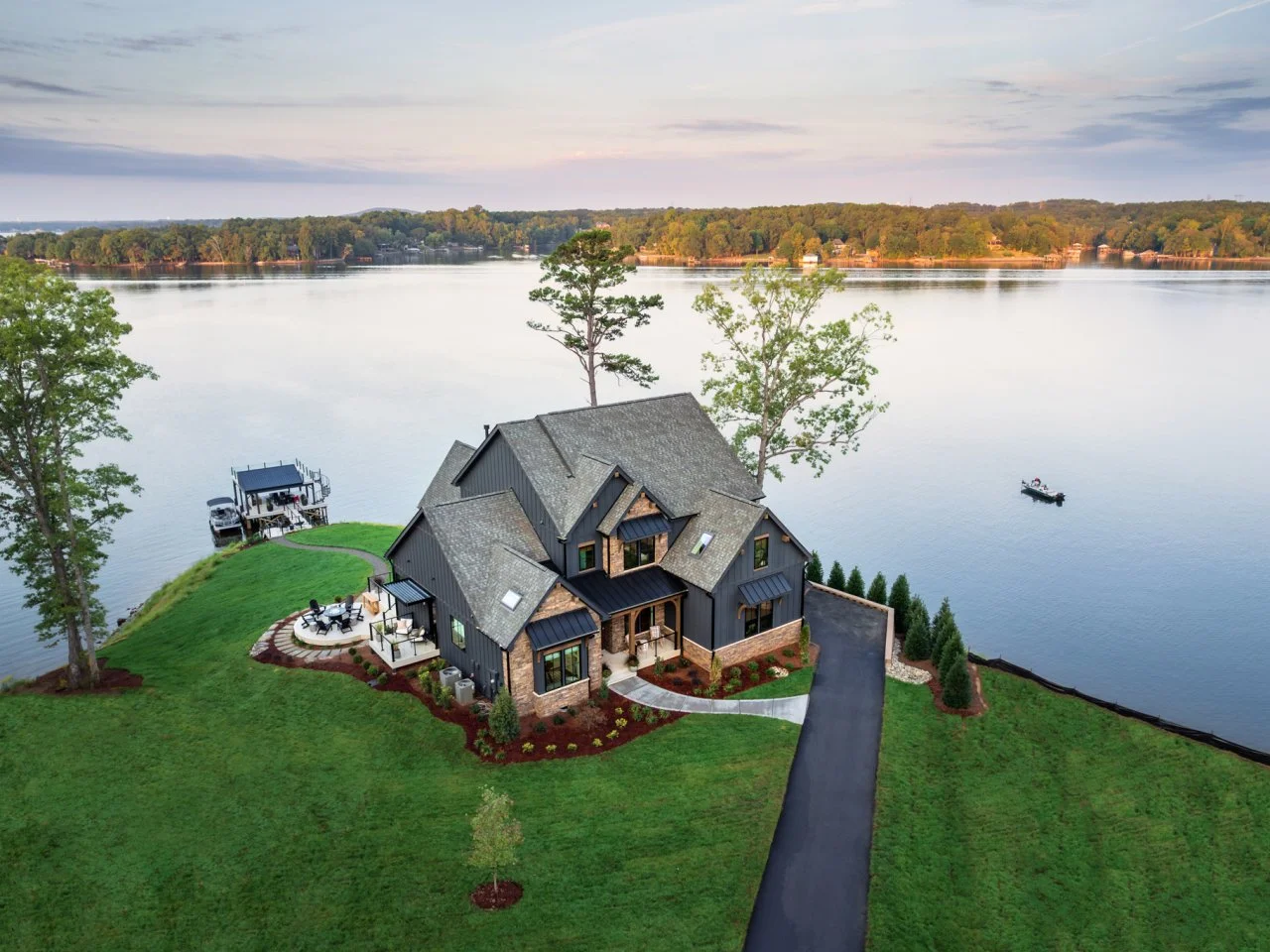
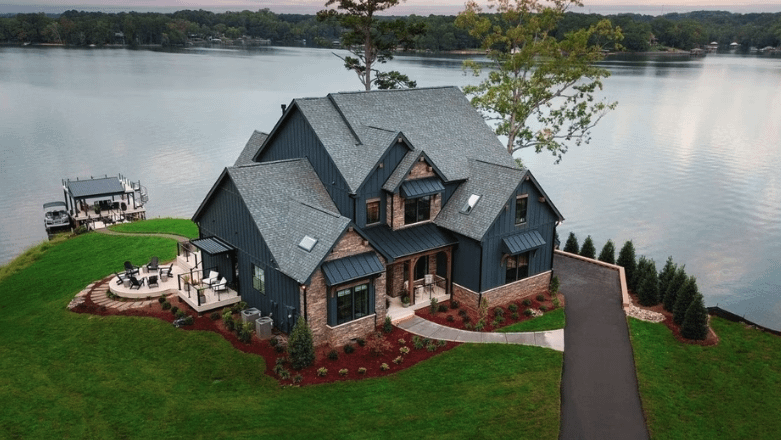
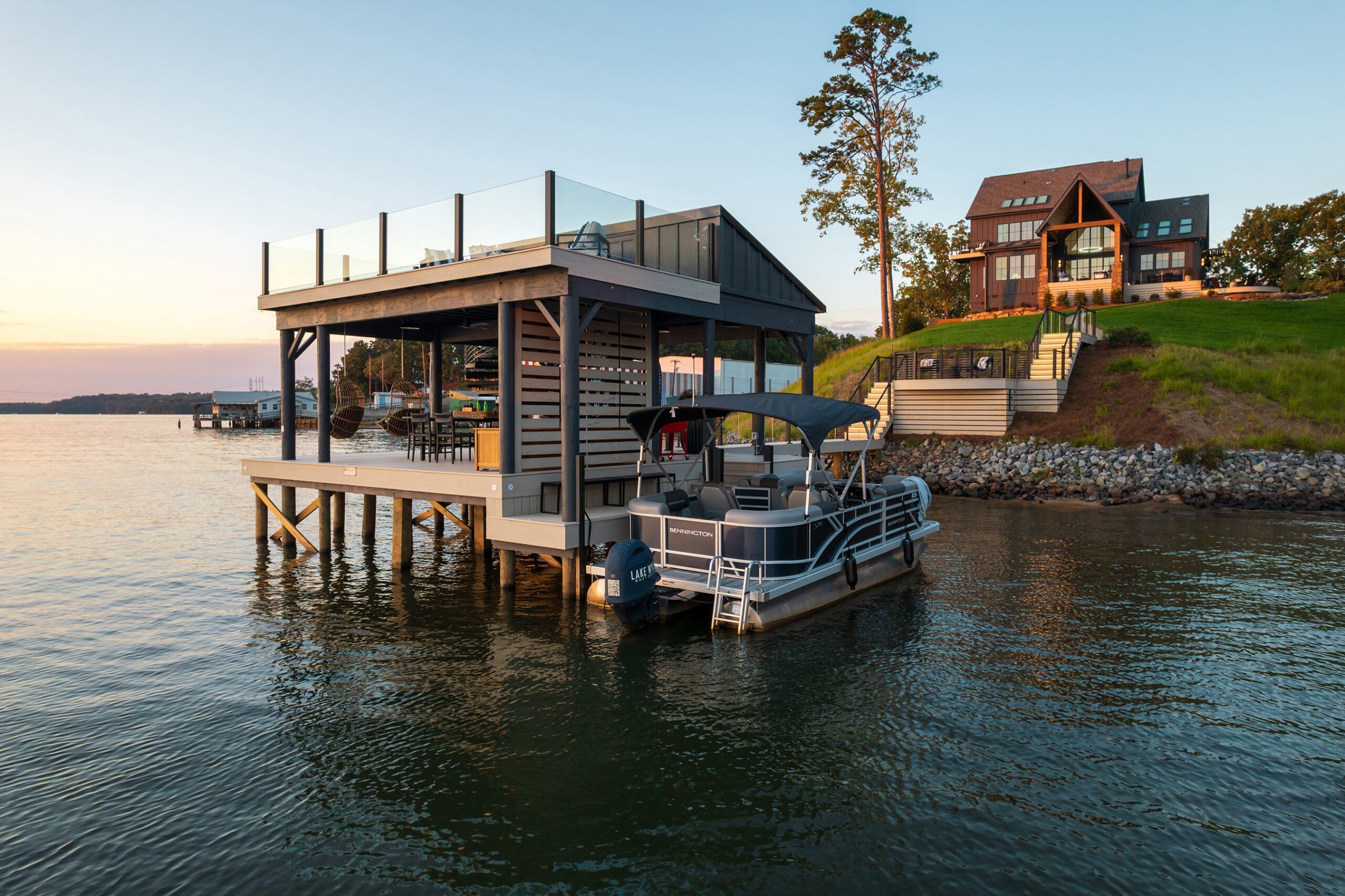
The HGTV Dream Home giveaway has been a staple event for the network, captivating audiences with its stunning properties and the opportunity for one lucky winner to claim a luxurious house. Traditionally, the Dream Home is a fully furnished, move-in ready property located in a picturesque area, designed to showcase the latest trends in home design and innovation.
However, for the 2027 edition, HGTV shocked viewers after unexpectedly announcing a major change to the HGTV Dream Home 2027. Instead of the usual grand estate, the network revealed that this year’s Dream Home would be a more modest, eco-friendly tiny home. This shift marks a significant departure from the grandeur and scale that fans have come to expect.
The announcement was made via a surprise press release and social media posts, catching both viewers and internal staff off guard. Many longtime employees expressed frustration and disappointment, feeling that the change undermines the Dream Home’s legacy and the network’s brand identity. The decision has sparked a heated debate about the direction HGTV is taking and whether this new approach aligns with audience expectations.
Reasons Behind the Change and Staff Reactions
HGTV’s leadership cited several reasons for the unexpected change to the HGTV Dream Home 2027. One of the primary motivations was to align with growing environmental concerns and the rising popularity of sustainable living. The tiny home concept emphasizes energy efficiency, minimalism, and a reduced carbon footprint, which the network believes resonates with a younger, eco-conscious demographic.
Additionally, the shift reflects broader trends in the housing market, where affordability and downsizing have become increasingly relevant topics. By showcasing a tiny home, HGTV aims to inspire viewers to rethink traditional notions of homeownership and embrace innovative living solutions.
Despite these intentions, the network’s staff reaction has been largely negative. Many employees feel that the change was implemented without adequate consultation or consideration of the Dream Home’s established fan base. Some have voiced concerns that the tiny home lacks the wow factor and aspirational quality that made previous Dream Homes so popular.
Moreover, internal sources suggest that the decision has caused tension within the creative teams responsible for designing and marketing the Dream Home. The challenge of promoting a smaller, less extravagant property has led to worries about declining viewer engagement and sponsorship opportunities.
What This Means for HGTV Fans and the Future of the Dream Home Series
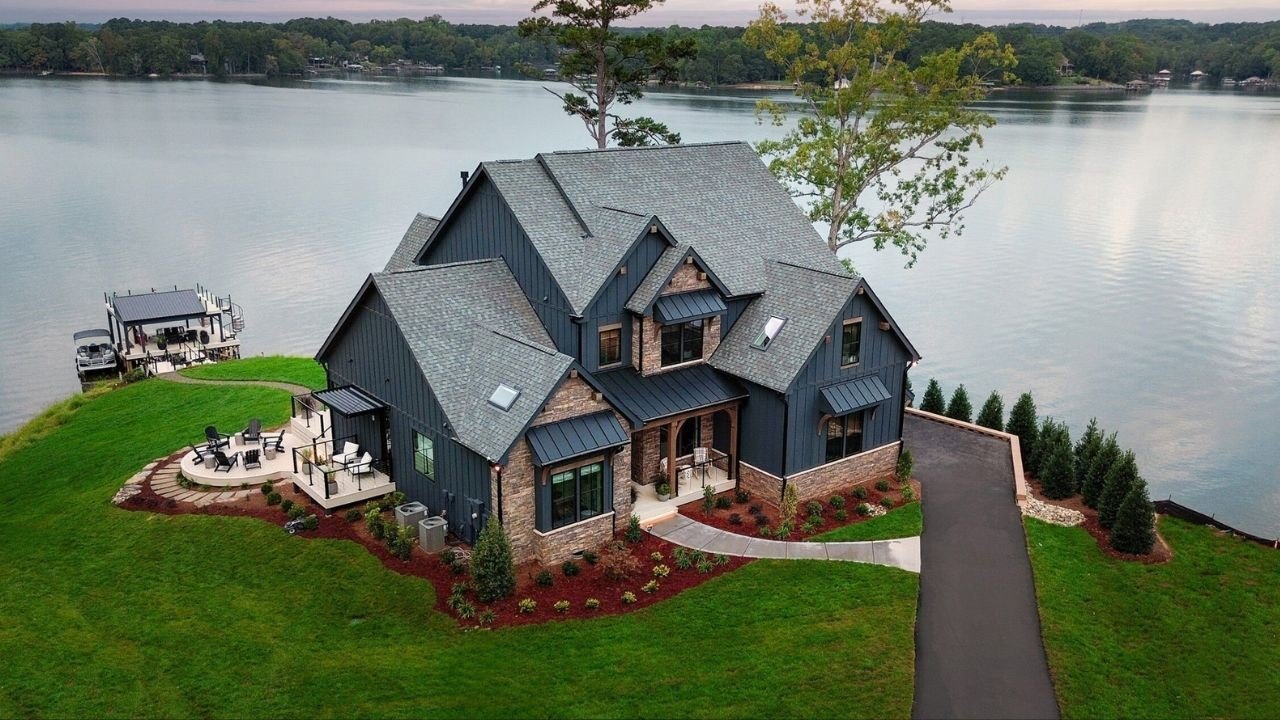
For HGTV fans, the announcement has been met with mixed emotions. While some applaud the network for embracing sustainability and innovation, others feel disappointed by the departure from the traditional Dream Home format. Social media platforms have been flooded with comments expressing both support and criticism, highlighting the passionate connection viewers have with the series.
Looking ahead, the change to the HGTV Dream Home 2027 could signal a broader shift in the network’s programming strategy. If the tiny home concept proves successful, HGTV may explore more diverse housing styles and themes in future giveaways. Conversely, if the response is overwhelmingly negative, the network might revert to its classic Dream Home formula or seek alternative ways to engage its audience.
Regardless of the outcome, this development underscores the evolving landscape of home design and media consumption. HGTV’s willingness to experiment reflects an understanding that viewer preferences are changing, and staying relevant requires bold decisions.
Conclusion
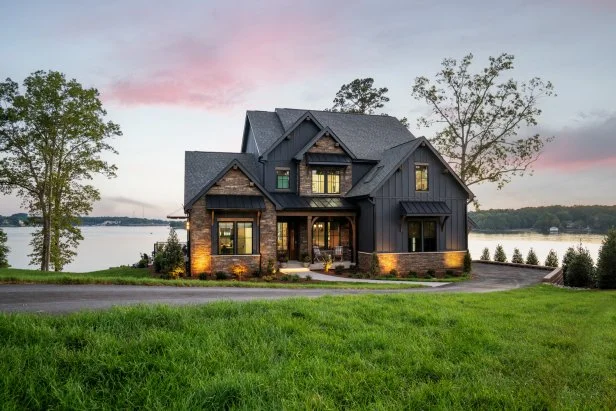
HGTV shocked viewers after unexpectedly announcing a major change to the HGTV Dream Home 2027, opting for a tiny, eco-friendly home instead of the traditional grand estate. While this move aligns with current environmental trends and housing market realities, it has sparked significant outrage among the network’s staff and divided its fan base. As HGTV navigates this new direction, fans eagerly await to see how the Dream Home series will evolve. Stay tuned for more updates and share your thoughts on this surprising change—what do you think about the new HGTV Dream Home 2027?