Latest MAFS Australia Claims ‘Disturbing’ and ‘Deeply Concerning’, Say Watchdogs
MAFS Australia Faces Serious Allegations Over Participant Safety
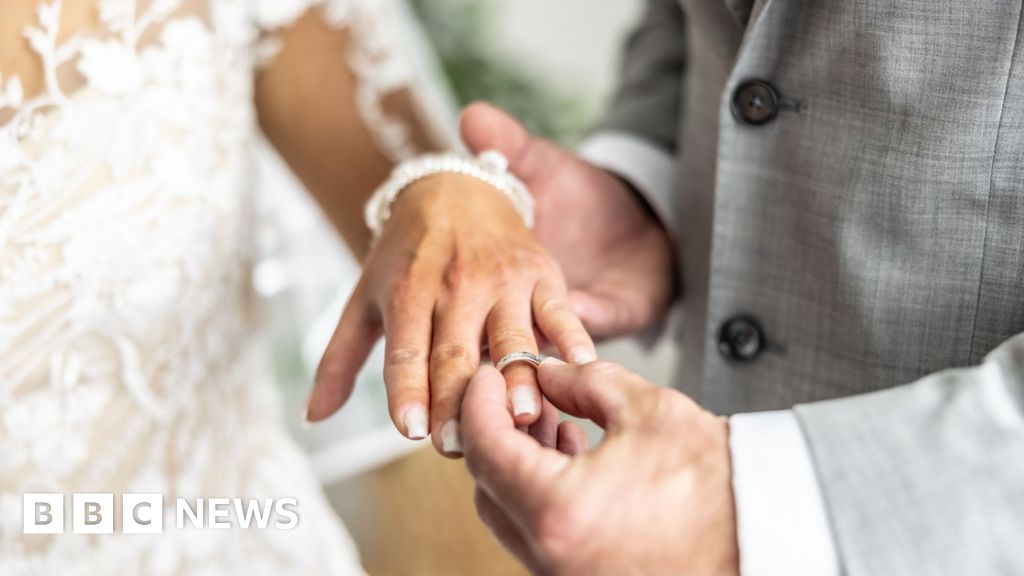
The popular reality television show Married At First Sight Australia (MAFS Australia) has recently come under intense scrutiny following a series of troubling claims from former participants. Media watchdogs, including Australia’s communications authority and the UK’s Ofcom, have labelled these allegations as “serious,” “disturbing,” and “deeply concerning.” The controversy centers on the show’s handling of participants’ safety and the transparency regarding their partners’ past criminal records.
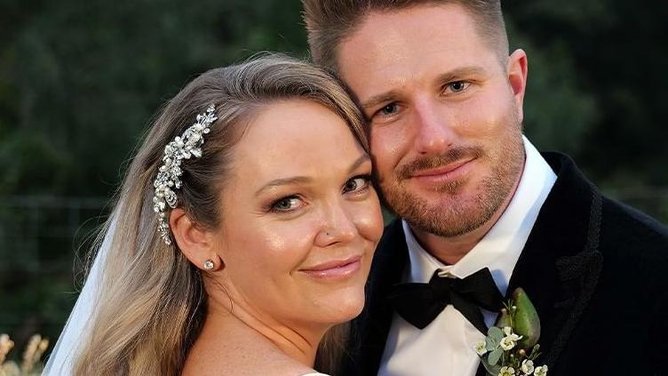
A recent investigation by the BBC revealed that several MAFS Australia contestants were not informed about their partners’ histories involving violence and drug-related offenses. One participant from the previous season, Sierah Swepstone, expressed her shock and disappointment after discovering that her on-screen partner, Billy Belcher, had a past conviction for multiple drug offenses. Swepstone said, “Brides are not safe on the show,” emphasizing the lack of informed consent and the risks the production took by withholding such critical information.
Details Behind the Allegations and Participant Experiences
Sierah Swepstone’s revelations are just one example of the broader concerns raised by former MAFS Australia contestants. She learned about Billy Belcher’s 2014 arrest and sentencing for drug-related crimes only after the show had concluded. Swepstone criticized the production for not disclosing this information, stating, “You shouldn’t be left alone with a stranger with a criminal record. At the very least, there should be informed consent.”
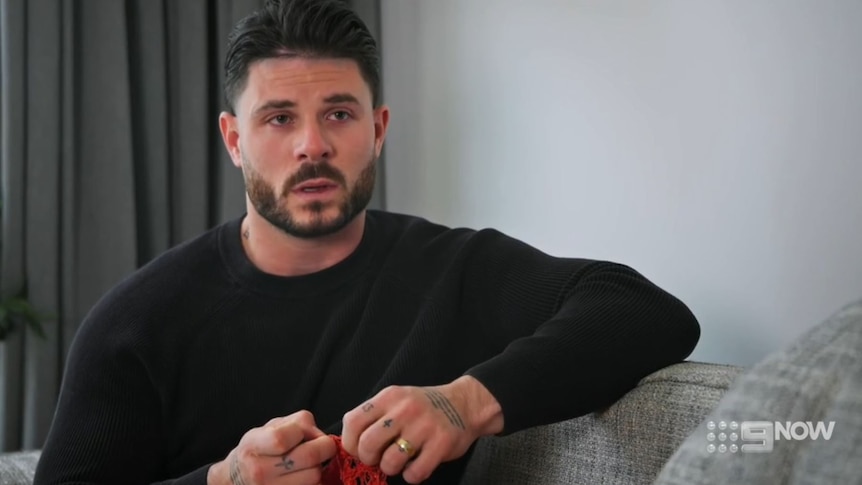
Channel 9, the broadcaster of MAFS Australia, and the show’s producer, Endemol Shine Australia, responded by pointing to a previous statement clarifying that Belcher had been honest with producers about his past and that his offenses did not involve violence. However, this explanation did little to ease concerns, especially as another participant’s partner, Adrian Araouzou, was reported to have a 2017 conviction for affray—a violent offense—without the knowledge of his on-screen spouse.
Araouzou denied the allegations and dismissed inquiries as “none of your business,” further complicating the narrative. The lack of transparency and the emotional toll on participants have sparked calls for better safeguarding measures within the reality TV industry.
Regulatory Bodies Respond to MAFS Australia Controversy

The Australian Communications and Media Authority (ACMA) acknowledged the gravity of the issues raised by former MAFS Australia participants. While ACMA’s regulatory powers focus primarily on safeguarding viewers and listeners, it does not have direct jurisdiction over the treatment of reality TV participants. Nevertheless, the authority encouraged those with concerns to approach broadcasters and relevant agencies to seek resolution.
Similarly, the UK’s media regulator Ofcom described the allegations as “deeply concerning” and indicated that it expects broadcasters, including Channel 4 (which airs MAFS UK), to take these issues seriously. Ofcom is currently reviewing contributor care policies and will consider all evidence as part of its ongoing investigations.
The controversy surrounding MAFS Australia is compounded by parallel issues in the UK version of the show. Three brides from MAFS UK have come forward with allegations of sexual misconduct by their partners during filming. These claims have led Channel 4 to remove all episodes of the series from its streaming platform and launch an internal review into participant welfare.
Implications for Reality TV and Participant Welfare

The unfolding scandals highlight a critical need for enhanced participant protection in reality television. Reality shows like MAFS often place individuals in emotionally vulnerable situations, and the failure to disclose vital information about partners’ backgrounds can have serious consequences.
Experts and former participants alike are calling for stricter industry standards, including comprehensive background checks, transparent communication, and robust support systems before, during, and after filming. Shona Manderson, a former MAFS UK contestant, has publicly advocated for improved safeguarding protocols, emphasizing that participant welfare should be paramount.
Broadcasters are now under pressure to reassess their duty of care and implement policies that prioritize the safety and informed consent of all contributors. The controversies surrounding MAFS Australia and MAFS UK serve as cautionary tales for the wider reality TV industry, underscoring the ethical responsibilities producers hold toward their participants.
Conclusion
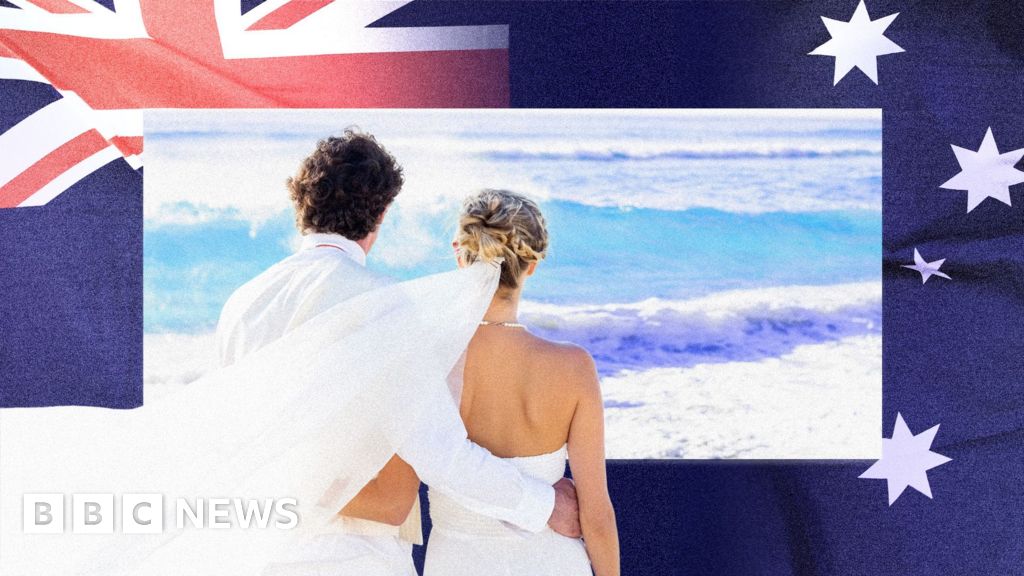
The latest claims against Married At First Sight Australia have sparked widespread concern among media watchdogs and viewers alike. Described as “disturbing” and “deeply concerning,” these allegations expose significant gaps in participant safety and transparency within reality television production. As regulatory bodies continue their investigations and broadcasters review their policies, the future of MAFS and similar shows hangs in the balance.
If you or someone you know has been affected by issues related to reality TV participation, it’s important to speak out and seek support. Stay informed about developments in media regulation and advocate for stronger protections to ensure that entertainment never comes at the cost of personal safety.
For more updates on this story and other media industry news, subscribe to our newsletter and join the conversation today.