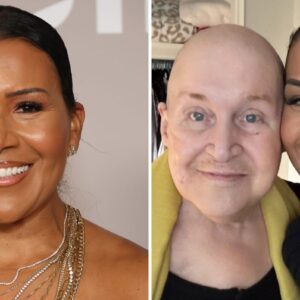
Ana Navarro Broke Her Silence and Fired Back at Sunny Hostin: “I Don’t Need a Moral Lecture from Anyone”

In a recent episode of “The View,” a heated exchange between co-hosts Ana Navarro and Sunny Hostin has captured the attention of viewers nationwide. Tensions flared during a discussion about morality and political responsibility, leading Navarro to defend her stance vehemently. In her passionate response, she declared, “I don’t need a moral lecture from anyone,” an assertion that has sparked significant conversation among fans and critics alike.
The Context of the Disagreement

The disagreement unfolded amid discussions on current political climates and social issues. Hostin, known for her strong moral perspectives, addressed concerns regarding ethics in politics, aiming to emphasize the importance of integrity. However, Navarro felt that Hostin’s approach did not allow room for differing opinions, leading her to speak out against what she perceived as a one-sided moral narrative.
- Navarro emphasized that everyone has their own values and experiences
- She expressed frustration at being judged without understanding her viewpoint
- The conflict highlighted broader issues of discourse and debate in today’s politically charged environment
Navarro’s Response and Its Implications

Ana Navarro’s statement resonated with many viewers who felt similarly overwhelmed by moral superiority in discussions of politics. She argued that while everyone is entitled to their opinions, it’s essential to foster respectful conversations rather than engage in moral policing. Navarro’s comments focus on the need to recognize diverse perspectives, especially in a country as diverse as the United States.
- Her response underlines the significance of respectful dialogue
- It showcases the challenges faced by public figures in navigating personal morals and professional responsibilities
- Navarro calls for a more inclusive discussion that allows for varying viewpoints
Public Reaction and Support

Following the episode, social media erupted with reactions, ranging from admiration for Navarro’s bravery to criticism towards Hostin’s approach. Supporters of Navarro praised her for standing up against the tide of moral judgment they felt was becoming prevalent in mainstream discourse. Many viewers expressed that they appreciated her willingness to articulate a counter-narrative that encourages open dialogue rather than silence dissenting opinions.
- Fans began to rally behind Navarro, using hashtags to express their solidarity
- Numerous comments flooded in about the need for diverse opinions in media
- The incident has brought attention to the importance of understanding differing viewpoints in modern society
Future Implications for “The View” and Political Discourse

This incident may have broader implications for “The View” and political discussions across various platforms. As audiences crave authenticity and diverse opinions, Navarro’s forthrightness could usher in an era where hosts feel more empowered to voice their beliefs without fear of backlash. The show has long been a platform for key political discussions, and this confrontation may redefine how those discussions unfold in the future.
- Expect to see more heated debates on “The View” as differing opinions emerge
- Such moments could attract viewers who value genuine discussions over performative moral lecturing
- The show’s dynamic could shift towards more inclusive exchanges, resonating with a broader audience
As the conversation around morality in politics continues to evolve, Ana Navarro’s defiance against unwarranted moral lectures serves as a reminder of the value of open discourse. It’s essential for everyone to recognize the importance of listening before passing judgment, ultimately promoting a more tolerant and understanding society. The dialogue initiated by Navarro and Hostin highlights just how critical it is to create spaces where all voices can be heard. Viewers are encouraged to keep the conversation going and engage in discussions that navigate the complexities of moral beliefs and political views.