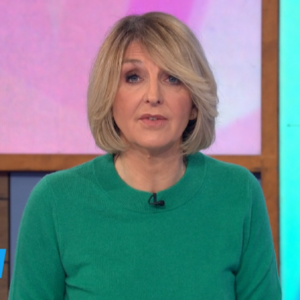
Outraged Ana Navarro Sounds Off On Trump’s “Disgusting” AI Photo Of Himself As The Pope: “This Is Him Trolling Us”

In a recent wave of controversy, celebrity commentator Ana Navarro expressed her outrage over a digitally altered photograph of former President Donald Trump depicting him as the Pope. The image, generated by artificial intelligence, has ignited a firestorm of discussion, with many people questioning the motivations behind such a brazen display. Navarro’s reaction highlights a persistent tension in American politics and the role of technology in shaping public perception.
Navarro characterized the AI-generated photo as “disgusting,” emphasizing her belief that Trump is intentionally provoking backlash by employing meme culture and artificial intelligence to taunt the public. The image serves as a poignant reminder of the blurred lines between reality and digital manipulation, especially in a time when misinformation is rampant.
The Context of Navarro’s Outrage
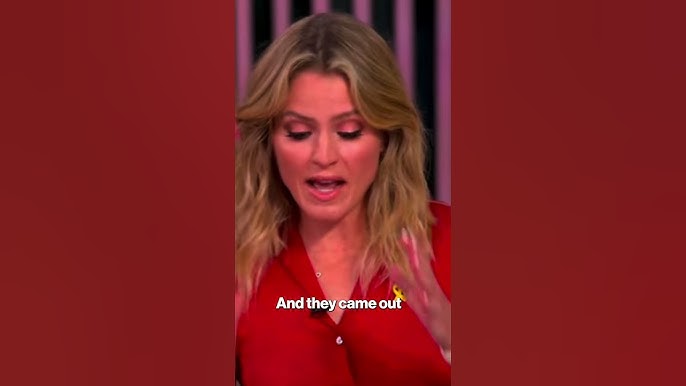
To understand Navarro’s vehement response, it’s crucial to consider the broader context of Trump’s relationship with the media and public. Throughout his presidency, Trump has often utilized social media and visual imagery to sensationalize his narratives. This recent incident is perceived by many as a continuation of that strategy, where boundaries are tested and the traditional decorum expected of political figures is disregarded.
- AI’s Role in Modern Discourse: The use of AI in crafting images poses ethical dilemmas. In this case, the manipulation of Trump’s likeness as the Pope not only stokes outrage but also engages a younger audience familiar with digital artistry.
- Cultural Impact and Symbolism: Portraying a figure like Trump in religious iconography raises questions about the intersection of faith and politics, particularly considering the strong evangelical support Trump has historically garnered.
- Public Reaction: The public’s response to such content often reflects divided opinions, with supporters applauding the audacity while critics, like Navarro, denounce it as an affront to moral and ethical standards.
Responses from Various Commentators

Navarro is not alone in her criticism of the AI-generated photo. Political analysts and social commentators have echoed her sentiments, describing the image as emblematic of Trump’s penchant for provocation. The reaction has spanned media outlets, social platforms, and home discussions, serving as an illustration of how digital media can ignite public sentiment and discussion.
- Media Critiques: Various news outlets have published editorials discussing the implications of using AI to manipulate images of public figures. They emphasize the potential for misinformation and the need for media literacy in evaluating such portrayals.
- Artist Reactions: Artists and digital ethicists have weighed in on the technical aspects of AI-generated art, debating whether it contributes to or undermines the field of contemporary art.
- Public Figures React: Other influential individuals have made statements about the broader implications of such imagery on public trust in media and politics.
The Bigger Picture: Navigating Discourse in the Age of AI

As we navigate an increasingly digitized world, events like the uproar over Trump’s AI photo serve as a litmus test for societal values and our collective comfort with humor in politics. The interplay between technology and public perception offers a rich area for exploration, as the capabilities of AI continue to grow.
- Misinformation Challenges: The ability of AI to create hyper-realistic images could complicate future discourse as people become less certain regarding the authenticity of what they see online.
- Political Consequences: For politicians like Trump, this form of digital expression could be a double-edged sword, galvanizing supporters while alienating detractors.
- Calls for Regulation: The discussion is escalating as thinkers and leaders call for guidelines surrounding AI to mitigate the risk of misinformation and its societal repercussions.
The controversy surrounding the AI photo of Trump as the Pope exemplifies not just a clash of personalities but also an ideological divide reflecting broader societal struggles in the face of rapidly evolving technology. As individuals become more engaged with digital content, the discussion becomes not just about aesthetics, but about ethics, trust, and the future of public representation.
Conclusion

As society grapples with the implications of AI-generated content, figures like Ana Navarro push the dialogue forward, advocating for accountability and ethical standards in digital representations. To stay updated on such evolving topics and participate in meaningful discussions, consider following us for more insights and news around contemporary issues in politics, technology, and culture.