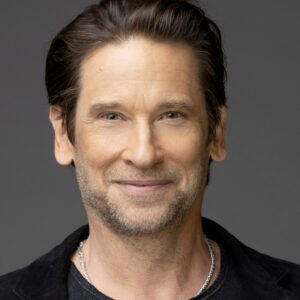
Bret Baier Dragged into a Probe on Election Media Manipulation! What Was His Real Role in the Covert Campaign?

The recent investigation into election media manipulation has taken a surprising turn, drawing Fox News anchor Bret Baier into the spotlight. As a trusted voice in political commentary, the spotlight on Baier raises important questions about media ethics, impartiality, and the role of journalists in shaping public perception. In this article, we delve into the intricacies of the case, the implications of Baier’s involvement, and what this means for the future of political reporting.
As the controversy unfolds, understanding Bret Baier’s professional background and the context surrounding the election media manipulation probe is essential. Baier has established himself as a reputable journalist with years of experience in political reporting. His involvement in this investigation has left many questioning if he played a mere peripheral role or if he was more deeply entangled in the strategies employed to sway public opinion.
The Background of Bret Baier’s Career

Bret Baier’s career at Fox News began over two decades ago, steadily ascending through the ranks to become the network’s Chief Political Anchor. His reporting during key election cycles has garnered respect, but the recent allegations put his credibility at stake. Baier is known for his straightforward reporting style and often takes a bipartisan approach in discussions. However, the scrutiny from this probe raises concerns about how even trusted figures in the media landscape might be implicated in unethical practices.
Understanding the Election Media Manipulation Probe

The election media manipulation probe centers around allegations that several media figures, including Baier, may have participated in a coordinated effort to influence electoral outcomes through biased reporting and misinformation. The inquiry aims to uncover whether there were any behind-the-scenes collaborations among journalists, political consultants, and social media platforms that could have impacted voters’ perceptions significantly.
- Covert Campaign Details: Reports suggest that the campaign involved crafted narratives that were disseminated through various media channels, raising questions about whose interests were truly being served.
- Potential Conflicts of Interest: The investigation is scrutinizing potential conflicts of interest among media personnel and their financial or ideological connections with political parties.
- Impact on Voter Trust: The public’s trust in the media has been declining, and such instances of manipulation could contribute further to this distrust.
Bret Baier’s Response to the Allegations

As the investigation progresses, Baier has publicly denied any wrongdoing, asserting his commitment to journalistic integrity. He emphasizes the importance of accurate reporting in maintaining public trust and insists that his work has always pursued factual reporting. Baier’s response represents a defensive posture common among journalists facing accusations of involvement in potentially unethical conduct.
The implications of this probe go far beyond just Baier. They raise fundamental questions about the role of media in democracy. If media figures are found to be complicit in manipulative practices, it could shatter public confidence in institutions meant to inform citizens and hold power to account. As such, the outcome of this investigation could have lasting repercussions not just on the individuals involved but also on the entire media industry.
The Broader Implications for Media and Democracy
The unfolding events around the probe into election media manipulation prompt a critical examination of media ethics. The repercussions of this investigation could redefine the relationship between media organizations and their audiences. A more informed populace depends on the credibility of news sources, making it essential for anchors like Baier to uphold transparency and accountability in their reporting.
- Influence on Future Journalistic Practices: The investigation could lead to stricter ethical guidelines and accountability measures within news organizations.
- Public Awareness: Greater awareness about media manipulation may lead the public to demand more rigorous standards from journalists.
- Potential Reforms: There may be calls for reforms in how media outlets conduct political reporting, ensuring that they operate within ethical boundaries.
As the probe continues, both media professionals and the public will be watching closely to see how Bret Baier’s involvement affects the landscape of political journalism. Trust is the cornerstone of democratic engagement, and only through commitment to unbiased reporting can that trust be preserved.
Conclusion
The investigation surrounding Bret Baier highlights significant issues regarding media manipulation and accountability. As the public weighs the implications of these allegations, it’s crucial for all stakeholders in democracy to foster transparency and integrity in journalism. For those interested in exploring the evolving landscape of media ethics and accountability further, stay informed and engaged. Together, we can push for a more ethical media environment that serves the public interest.