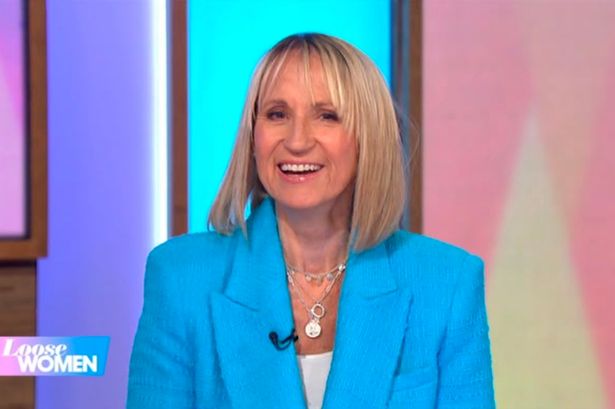
Carol McGiffin Broke Down in Tears as She Revealed Why She Refused to Return to Loose Women
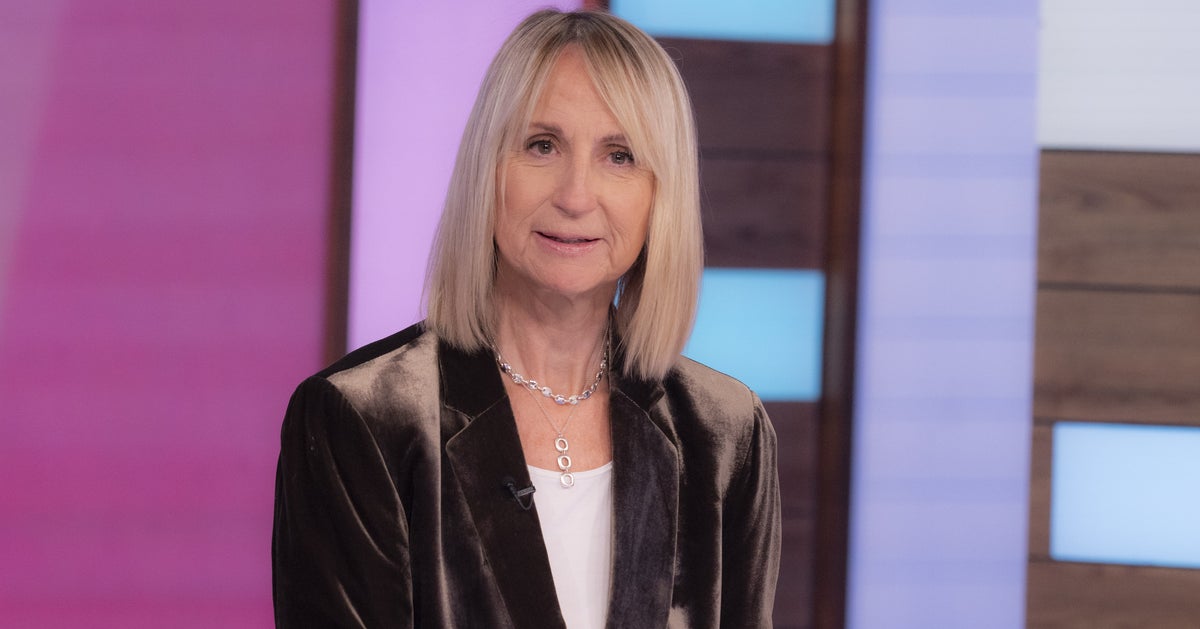
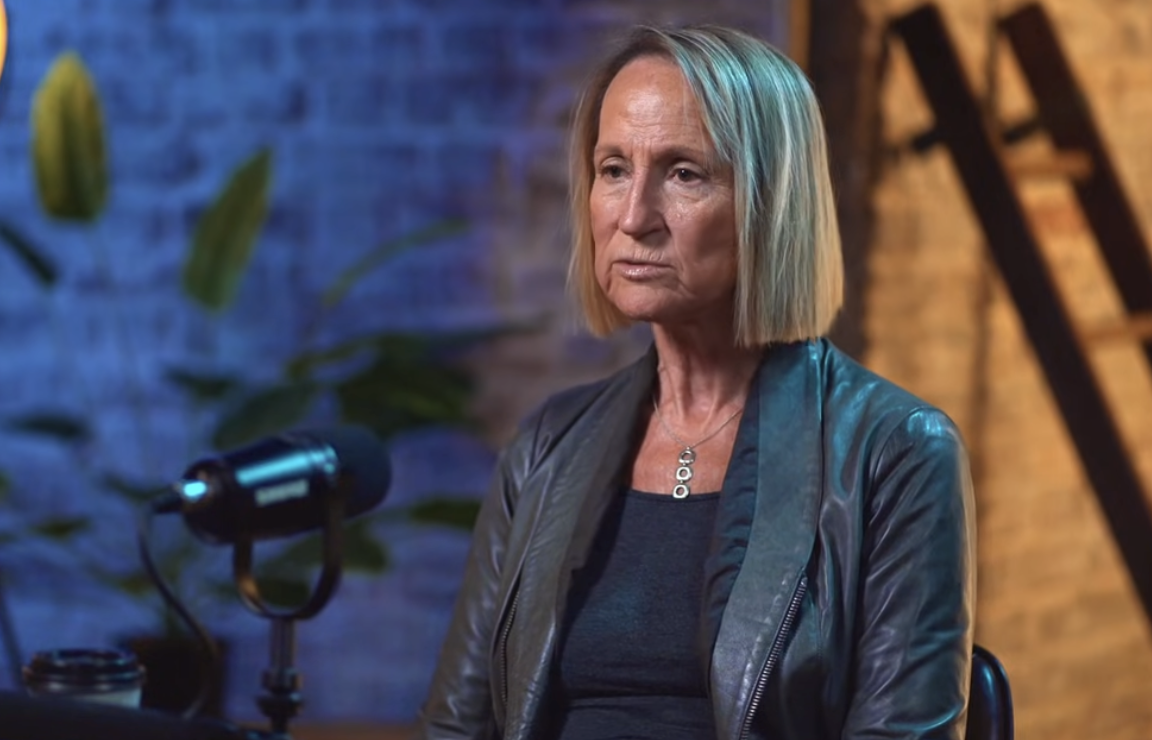
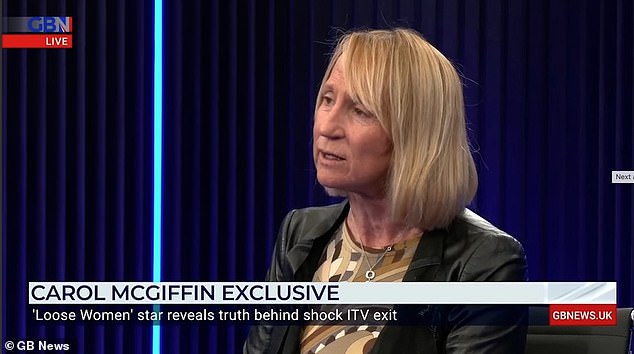
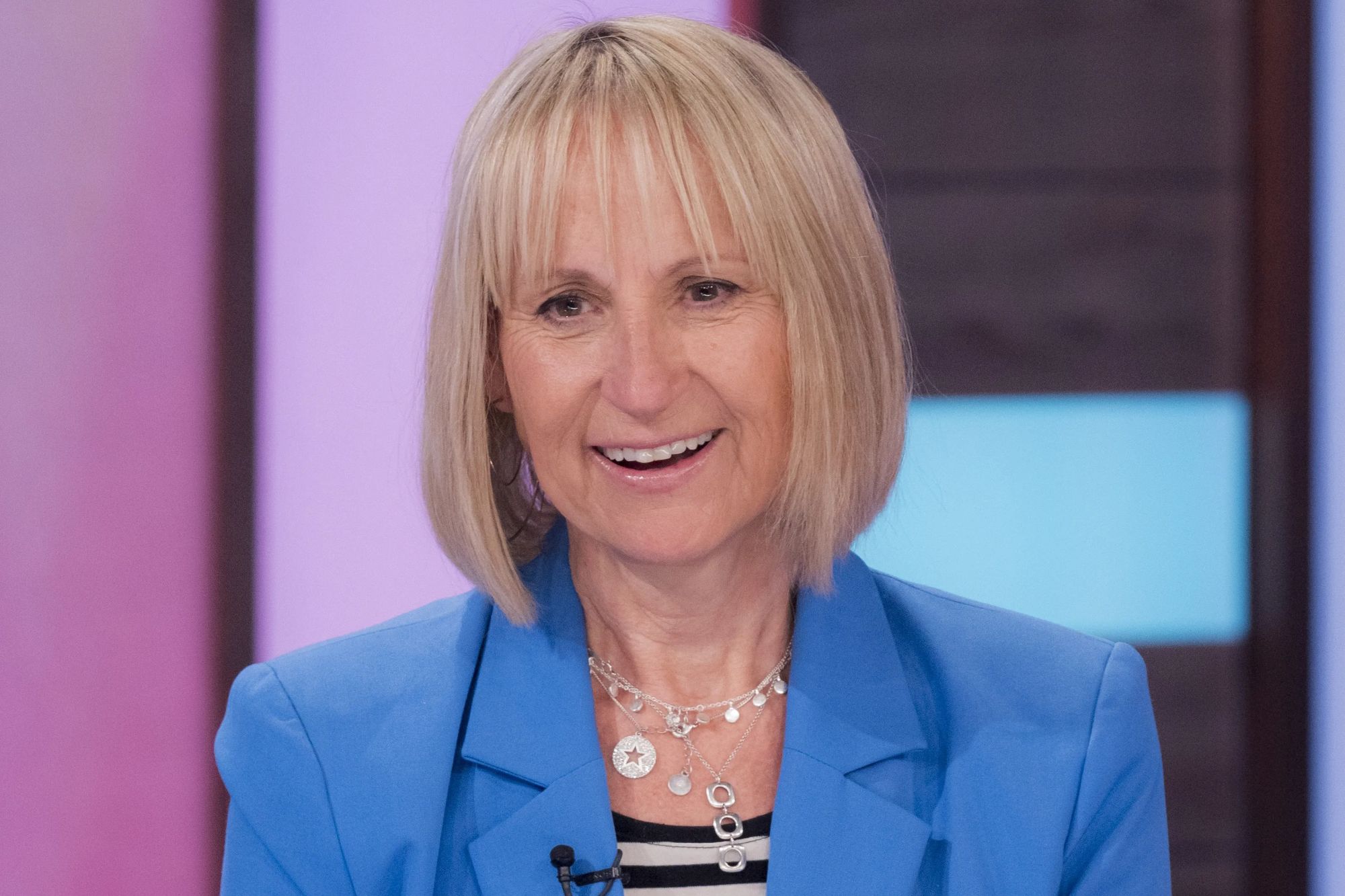
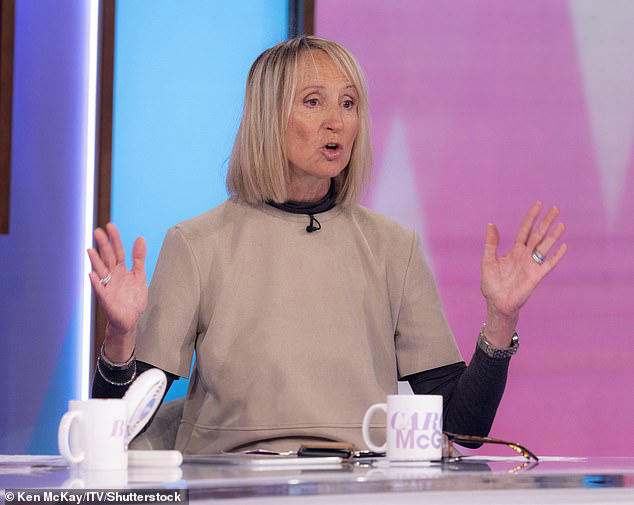
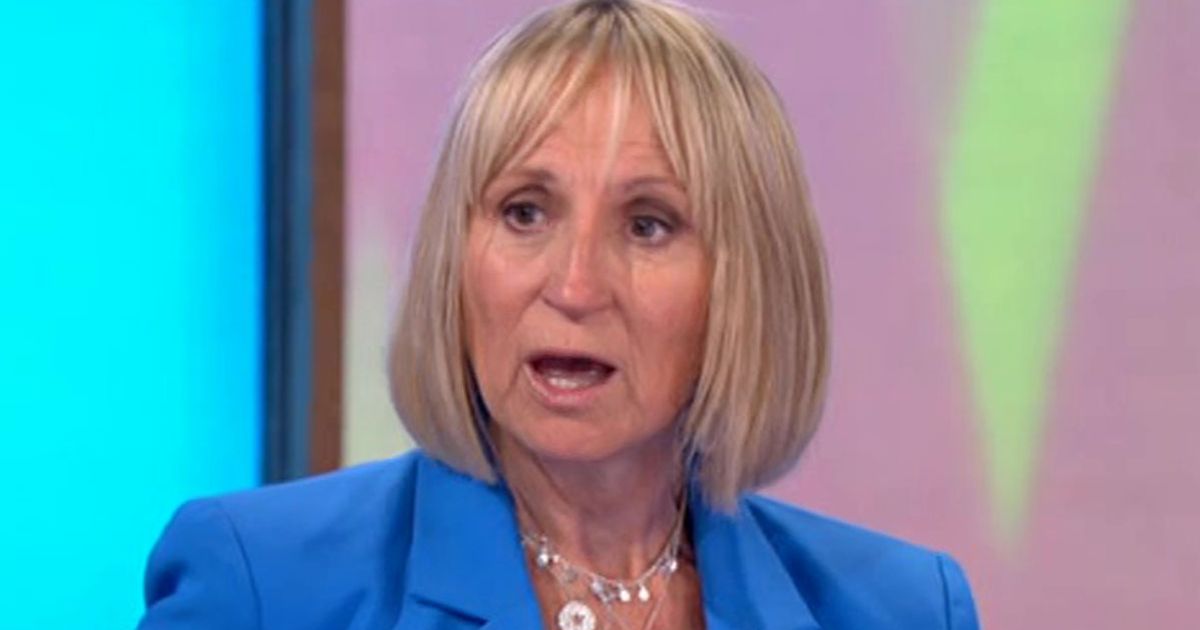
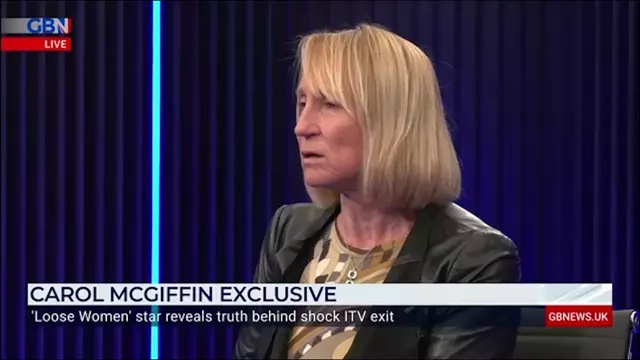
Carol McGiffin, a beloved television personality, recently made headlines after an emotional revelation about her departure from the popular daytime show Loose Women. Known for her candid and often outspoken nature, Carol broke down in tears as she shared the deeply personal reasons behind her refusal to return to the program. Her heartfelt confession shed light on the challenges she endured behind the scenes, offering fans a rare glimpse into the pressures of working on a high-profile talk show.
Why Carol McGiffin Refused to Return to Loose Women
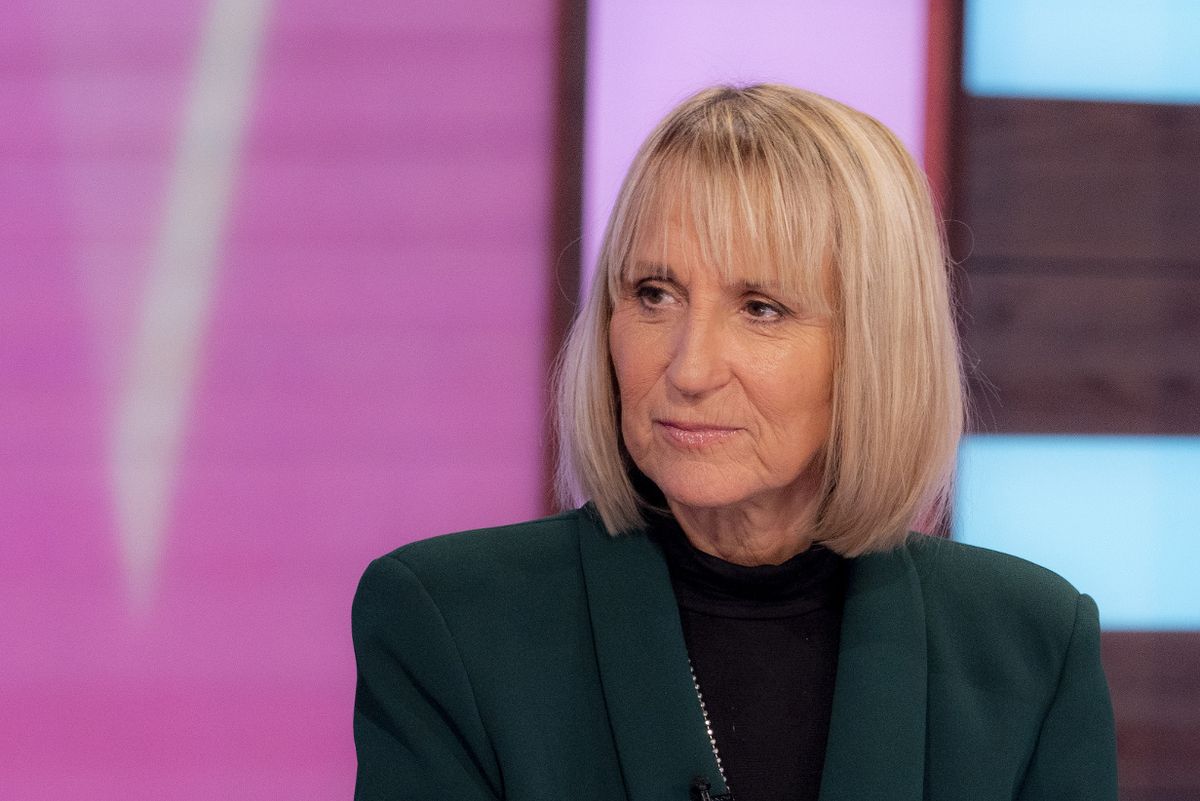
The keyword “Carol McGiffin refused to return to Loose Women” encapsulates the core of this story. Carol’s decision to step away from the show was not taken lightly. In a tearful interview, she revealed that the environment behind the cameras was far more difficult than viewers could imagine. Despite the show’s upbeat and lively on-screen atmosphere, Carol disclosed that she faced significant emotional and professional challenges during her tenure.
She explained that the dynamics among the cast and production team often left her feeling isolated and overwhelmed. The pressure to maintain a certain public persona while managing personal struggles became too much to bear. Carol’s honesty about her experience highlights the often unseen hardships faced by television personalities, reminding audiences that the glamour of TV can mask real emotional turmoil.
The Impact of Behind-the-Scenes Struggles on Carol’s Career
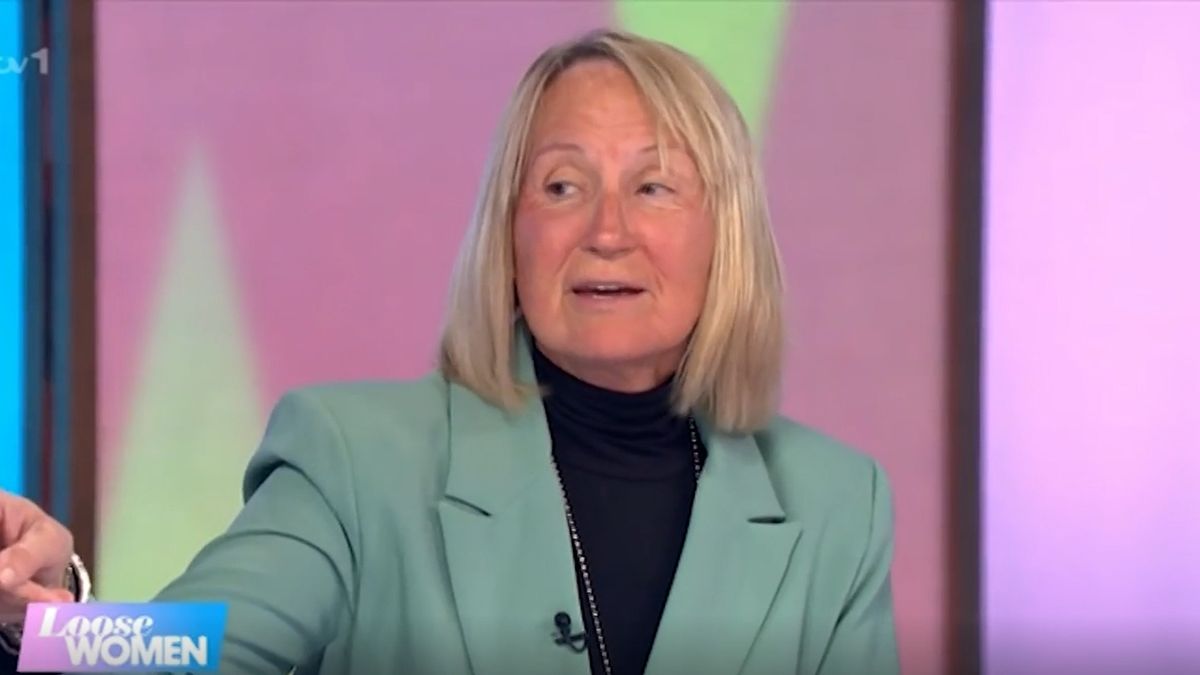
Carol McGiffin’s emotional breakdown and decision to refuse a return to Loose Women have had a profound impact on her career trajectory. While she remains a respected figure in the entertainment industry, her openness about the difficulties she faced has sparked important conversations about mental health and workplace wellbeing in television.
Her story resonates with many who have experienced similar pressures in high-stress jobs, emphasizing the importance of supportive work environments. Carol’s courage in speaking out serves as an inspiration for others to prioritize their mental health and seek help when needed.
Moreover, her departure from Loose Women has opened new doors for her to explore different opportunities in media, where she can work in settings that align better with her personal and professional needs. Fans continue to support her journey, appreciating her vulnerability and strength.
What This Means for the Future of Loose Women
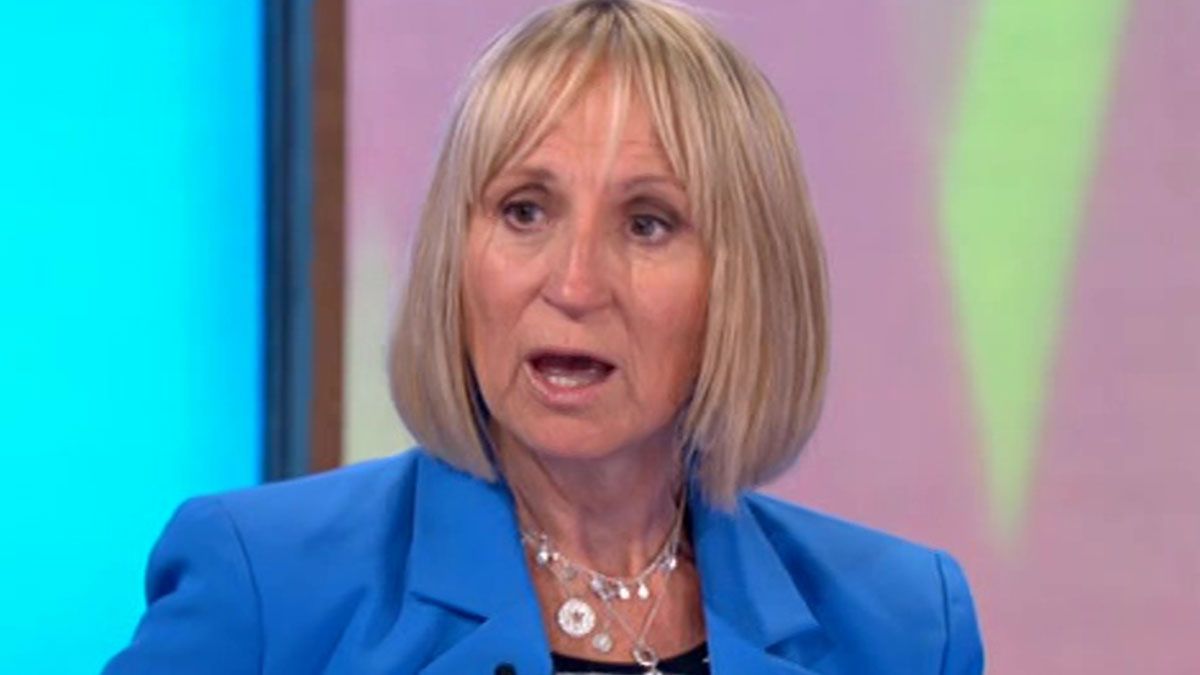
Carol McGiffin’s refusal to return to Loose Women has also raised questions about the show’s internal culture and how it supports its presenters. Her revelations may prompt producers to re-evaluate the working conditions and foster a more inclusive and nurturing environment for all cast members.
The show has a loyal fanbase that values the authenticity and diversity of its panelists, and addressing these concerns could enhance its reputation and longevity. Carol’s experience serves as a catalyst for positive change, encouraging transparency and empathy within the entertainment industry.
Conclusion
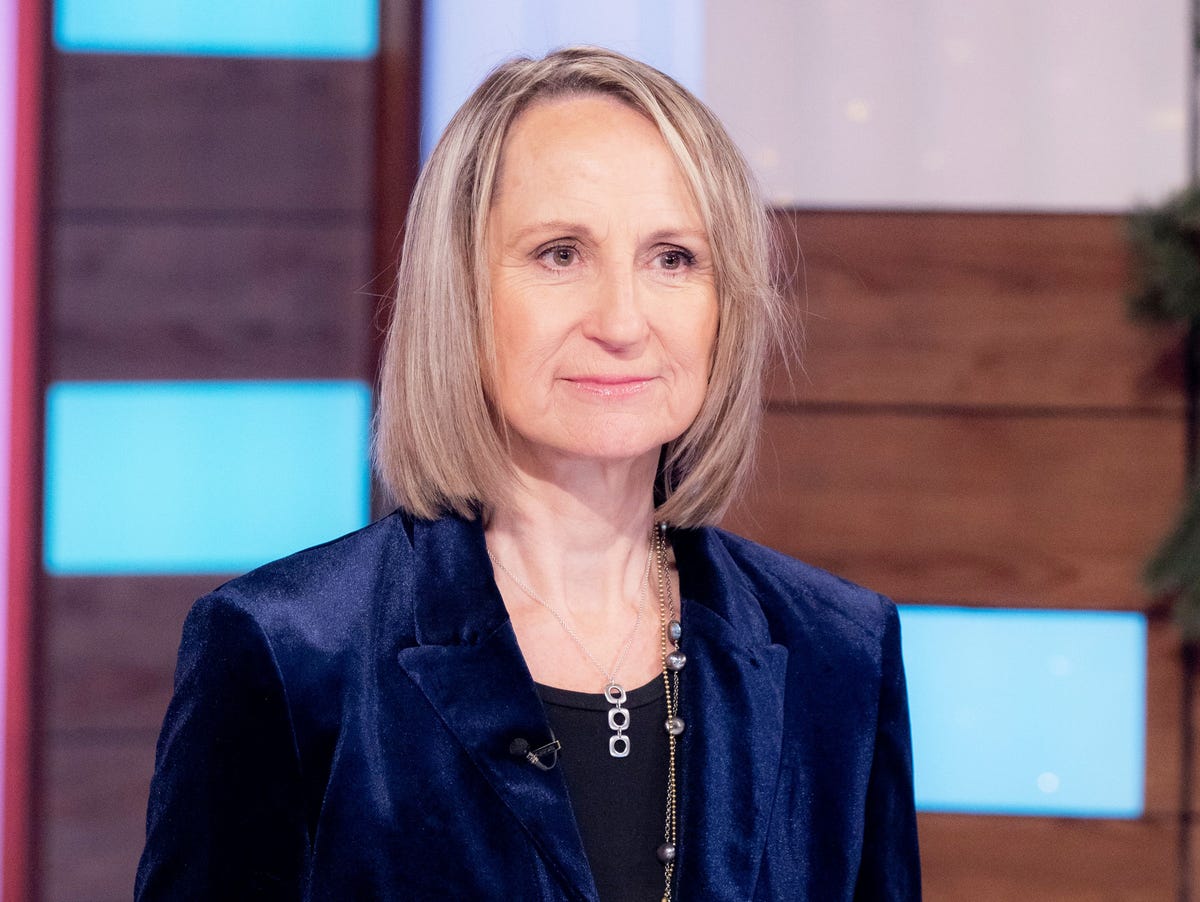
Carol McGiffin’s tearful revelation about why she refused to return to Loose Women offers a powerful reminder of the unseen challenges faced by television personalities. Her story underscores the importance of mental health awareness and supportive workplace environments. As fans and industry professionals reflect on her experience, it becomes clear that prioritizing wellbeing is essential for sustainable success in media.
If you found Carol’s story inspiring, stay tuned for more updates on her career and insights into the realities behind the scenes of your favorite shows. Don’t forget to share this article and join the conversation about mental health and workplace culture in entertainment.