Was US intel wrong? Fox News’ Baier doesn’t buy Netanyahu’s justification for attacking Iran

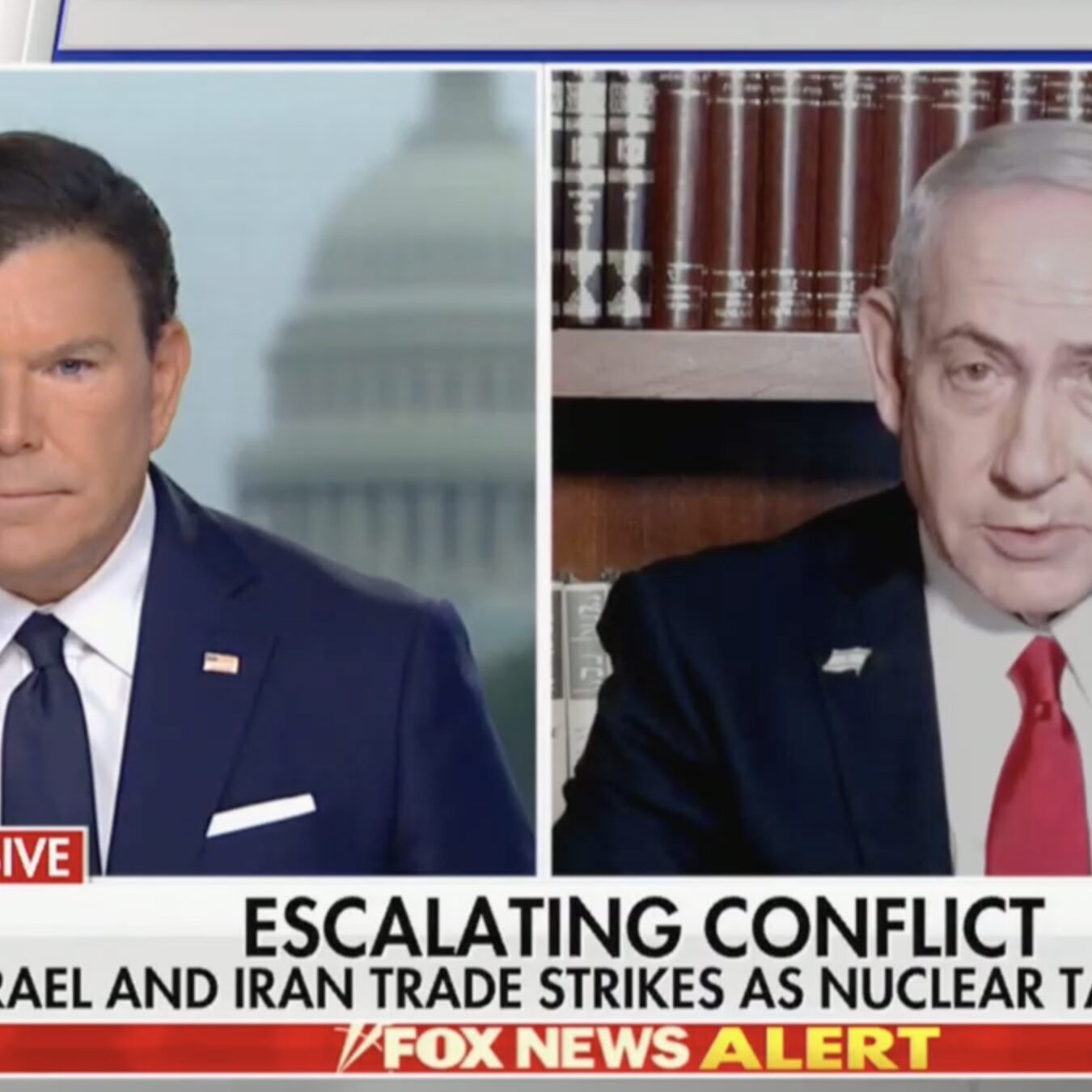
The recent interview between Israeli Prime Minister Benjamin Netanyahu and Fox News anchor Bret Baier has stirred a significant debate regarding Israel’s justification for its attacks on Iran. Baier openly questioned Netanyahu’s rationale, scrutinizing the claims surrounding Iran’s nuclear ambitions and the preemptive measures taken by Israel. This discussion brings to light critical aspects of national security, intelligence assessments, and the implications these have on international relations.
Netanyahu’s Justification under Scrutiny

In the interview, Netanyahu contended that Israel’s missile strikes were essential for addressing an imminent threat, pointing towards Iran’s potential development of nuclear weapons. He labeled Iran a major risk not just to Israel, but to global security as well. However, Baier highlighted a compelling contradiction: U.S. intelligence reports have consistently indicated the absence of an active Iranian nuclear weapons program. This divergence raises questions about the credibility of the Israeli leadership’s assertions and their impact on U.S.-Israel relations.
Amidst this dialogue, Baier referenced recent testimonies from Tulsi Gabbard, the new director of national intelligence, emphasizing that Iran’s nuclear program has remained dormant since 2003. This information stands in stark contrast to Netanyahu’s claims, which suggests that the Israeli government may be operating on outdated or unfounded intelligence. The gap between political narrative and factual intelligence raises concerns over the decision-making processes that lead to military actions.
The Implications of Military Action

Irrespective of the motivations behind these military strikes, the implications extend well beyond the borders of Israel and Iran. Any military engagement heightens tensions in an already volatile region and could lead to broader conflicts involving other nations. Netanyahu’s claims regarding Iranian operatives supposedly attempting to assassinate former President Donald Trump add an extra layer of complexity to the dialogue around national security threats. However, Baier demanded evidence to support such serious accusations, further illustrating the precarious nature of asserting national security threats without substantial proof.
The discussion exemplifies how national security issues are often surrounded by a cloud of political rhetoric that can overshadow factual intelligence. As leaders face tough decisions about military interventions, the importance of relying on verified information cannot be overstated. The potential consequences of miscalculations can reverberate across borders, affecting not only the nations directly involved but also their allies around the world.
The Role of Intelligence in National Security Decisions
Intelligence agencies play an essential role in informing political leaders about current threats, as well as verifying claims about other nations’ military capabilities. In the case of Iran, U.S. intelligence has firmly stated that there is no evidence of an active nuclear weapons program. With such significant findings, it begs the question of why Israeli leadership insists on framing Iran as an existential threat.
Baier’s questioning reflects a broader concern regarding the public’s trust in political narratives. If politicians make decisions based on faulty or exaggerated intelligence, they risk drawing nations into conflicts that could have otherwise been avoided. Therefore, the responsibility lies heavily on leaders to ensure their justifications for military action are rooted in factual evidence, as opposed to political posturing.

Moreover, the interplay between politics and intelligence highlights the necessity for transparency and accountability not only in foreign policy but also in domestic security issues. The public and policymakers alike must hold leaders accountable by demanding adherence to factual intelligence when making consequential decisions regarding military actions.
Conclusion
In summary, the Fox News interview between Bret Baier and Benjamin Netanyahu embodies a critical juncture in understanding the unfolding narrative surrounding Iran and its alleged nuclear ambitions. As discussions on national security become increasingly complex, it is vital that leaders prioritize accurate and reliable intelligence in their decision-making processes. As citizens and stakeholders in these discussions, we must remain vigilant, questioning the motives behind military actions and advocating for transparency in how such decisions are articulated. Stay informed and engage in these pressing dialogues to ensure government accountability.