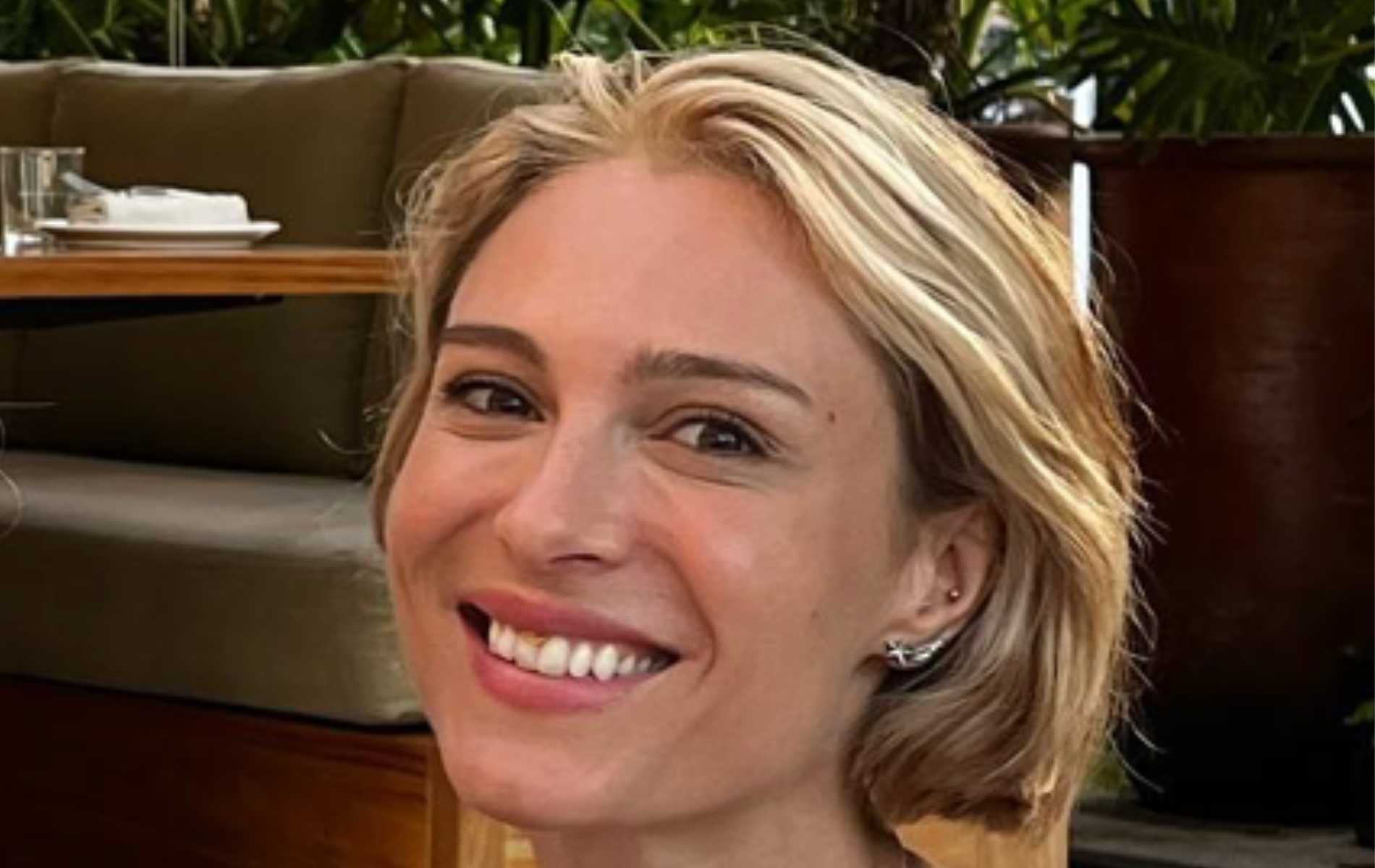
Julia Vogl, the show’s first openly bisexual bride, publicly accuses Married At First Sight and her on-screen groom of biphobia after being turned into a TV token and humiliated on camera: “I was reduced to my sexuality, not seen as a person.”
Reality television often promises authentic experiences and genuine connections, but for Julia Vogl, the first openly bisexual bride on the popular show Married At First Sight, her journey was far from what she expected. Julia has recently come forward with serious allegations against the show and her on-screen groom, accusing them of biphobia and tokenism. Her story sheds light on the often overlooked challenges bisexual individuals face in media representation, particularly within reality TV formats.
Julia Vogl’s Experience on Married At First Sight: A Story of Biphobia and Tokenism
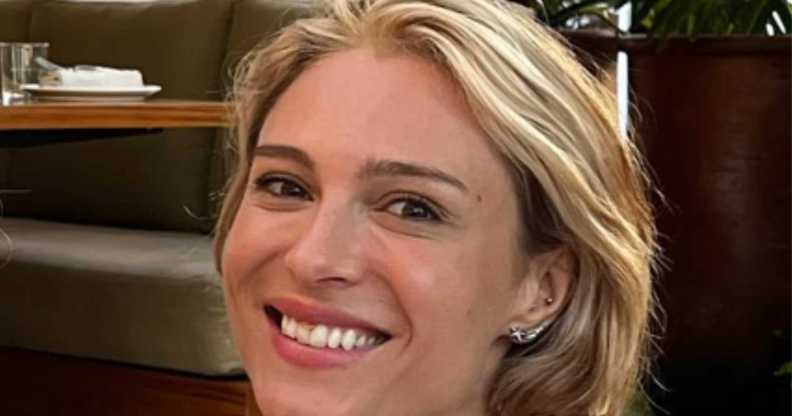
Julia Vogl made history as the first openly bisexual bride featured on Married At First Sight, a show known for pairing strangers in hopes of finding lasting love. While this milestone seemed like a step forward for LGBTQ+ visibility, Julia’s experience quickly turned sour. She revealed that instead of being embraced as a whole person, she was reduced to a mere symbol of her sexuality—a token meant to tick a diversity box rather than a participant with her own story.
In interviews and social media posts, Julia expressed how the show’s producers and her on-screen groom treated her differently because of her bisexuality. She described instances where her sexuality was highlighted in a negative light, leading to humiliating scenes that painted her in an unfair and biased manner. Julia’s accusations of biphobia—prejudice against bisexual people—point to a deeper issue within reality TV, where bisexuality is often misunderstood or stigmatized.
The Impact of Biphobia in Reality TV and Media Representation
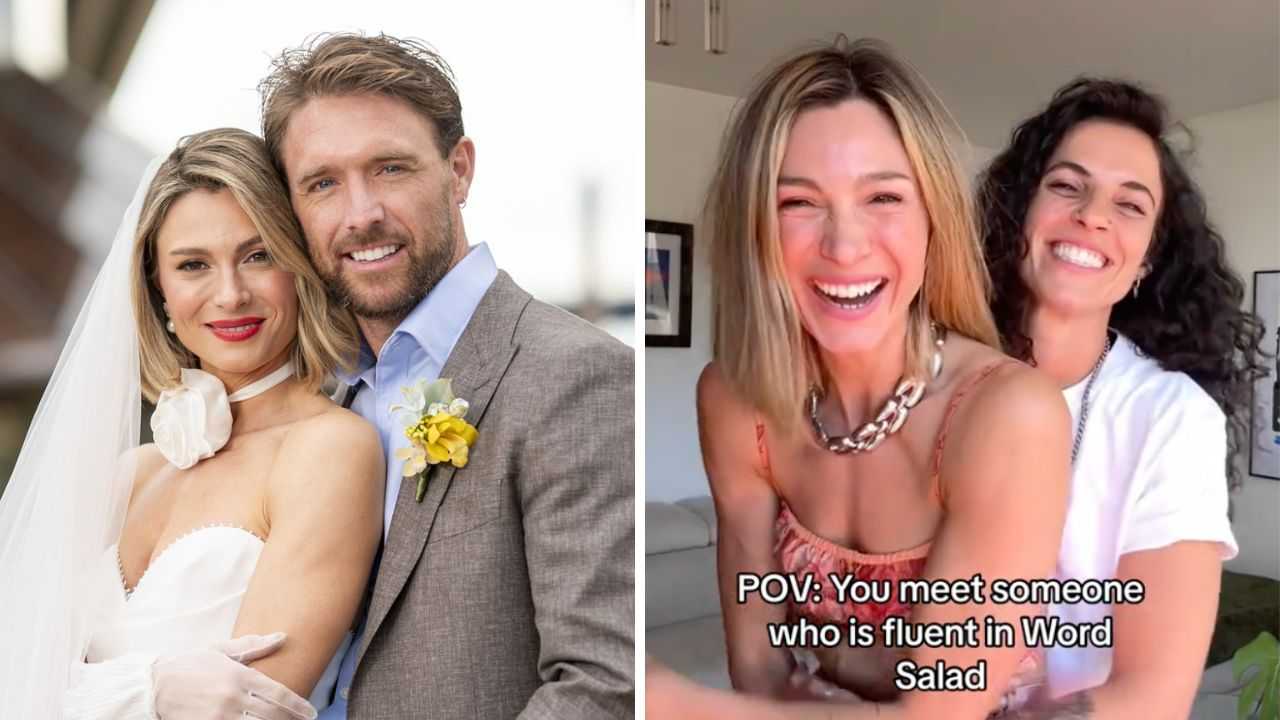
Biphobia remains a pervasive problem not only in society but also in media portrayals. Bisexual individuals frequently face erasure, stereotyping, or outright discrimination, which can lead to feelings of isolation and invalidation. Julia Vogl’s experience on Married At First Sight exemplifies how these prejudices manifest in entertainment, where producers may prioritize sensationalism over respectful representation.
By reducing Julia to her sexuality, the show missed an opportunity to present a nuanced and authentic bisexual character. Instead, her portrayal reinforced harmful stereotypes and contributed to the marginalization of bisexual people. This kind of representation can have real-world consequences, influencing public perceptions and perpetuating stigma.
Moreover, Julia’s public call-out of the show and her on-screen groom has sparked important conversations about the responsibilities of reality TV producers. It highlights the need for more inclusive and respectful storytelling that honors the complexity of all participants, regardless of their sexual orientation.
Why Authentic Representation Matters for Bisexual Individuals
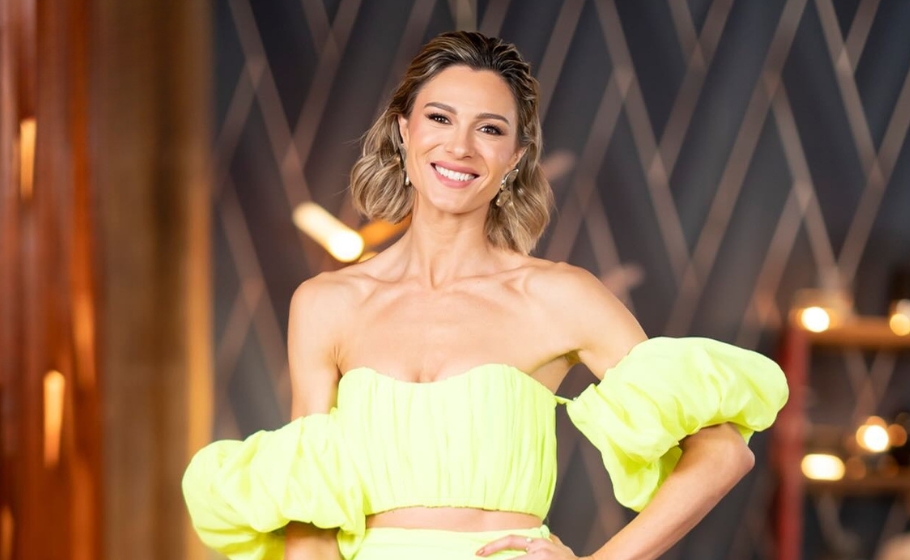
Authentic representation in media is crucial for fostering understanding and acceptance. When bisexual people see themselves portrayed accurately and respectfully, it validates their experiences and challenges misconceptions. Conversely, tokenism and negative portrayals can reinforce harmful myths, such as the idea that bisexuality is just a phase or that bisexual individuals are untrustworthy.
Julia Vogl’s experience underscores the importance of moving beyond tokenistic inclusion toward genuine representation. Reality TV shows like Married At First Sight have a unique platform to influence societal attitudes, and with that comes the responsibility to portray all participants fairly and with dignity.
Conclusion
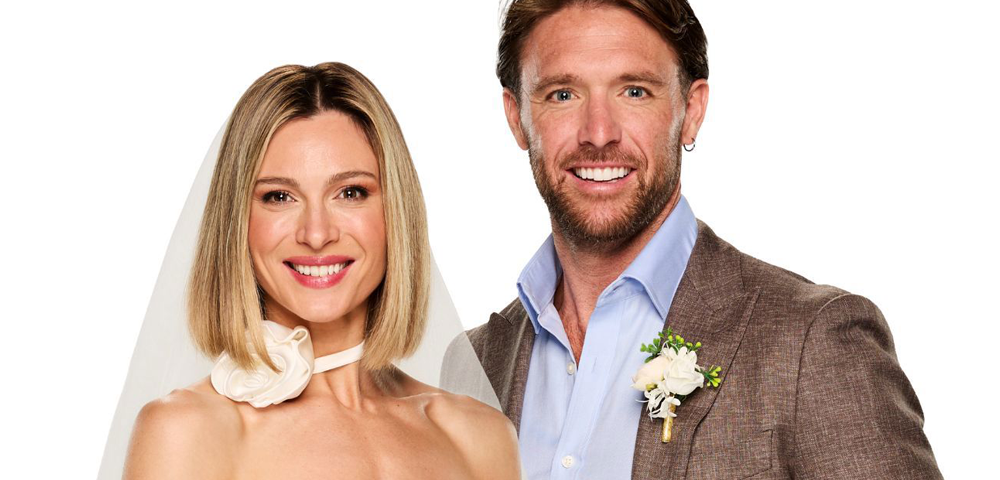
Julia Vogl’s courageous decision to speak out against biphobia on Married At First Sight shines a light on the ongoing challenges bisexual individuals face in media representation. Her story is a powerful reminder that true inclusivity means seeing people as whole individuals, not just as symbols of their sexuality. For reality TV producers and audiences alike, it’s time to demand more respectful and authentic portrayals that celebrate diversity without resorting to tokenism or humiliation.
If you found Julia’s story compelling, share this article to raise awareness about biphobia and the importance of genuine representation in media. Together, we can support a more inclusive and understanding entertainment landscape.